The Ultimate Post-Massage Herbal Tea Guide: Why Hydration Completes Your Spa Journey
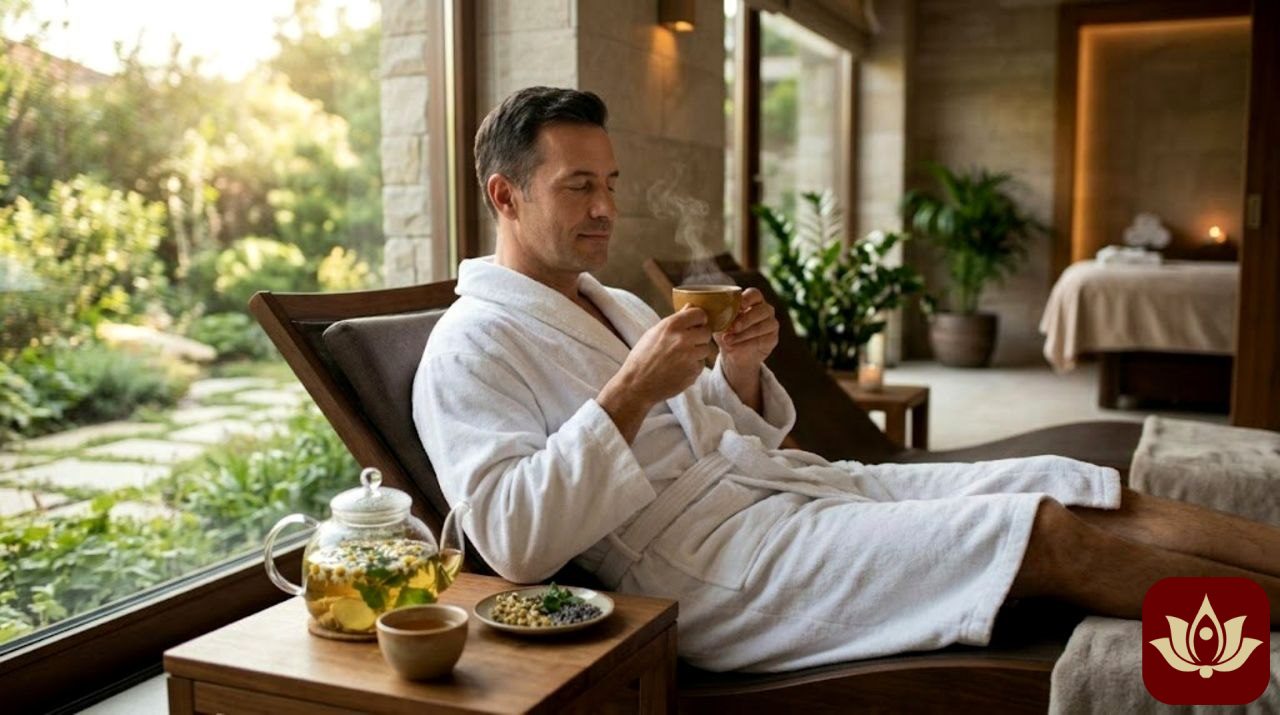
Stepping off a treatment table after an expert massage feels remarkably like taking a brief, restorative journey into a world of pure tranquility and release. Your muscles exist in their softest, most pliable state, while your mind rests far away from daily pressures. Yet, this experience does not conclude the moment your session ends; post-treatment aftercare holds just as much significance as the massage techniques themselves. Among the most vital rituals of recovery is proper hydration. Within luxury spa sanctuaries, serving a warm herbal tea after a massage stands as an ancient tradition designed not only to quench thirst but to complete the physiological cleansing process initiated during bodywork.
You might wonder why elite wellness centers invariably offer a hot, aromatic beverage at the conclusion of a session. The answer lies deeply embedded in human biology. Massage stimulates the lymphatic system, elevates blood circulation, and releases accumulated metabolic waste from tight muscle fibers. At Niloufar Abi Spa, we explore the science behind post-massage hydration, introducing various herbal infusions designed to help you lock in the therapeutic benefits of your therapy for hours to come.
Why Post-Massage Hydration and Herbal Infusions Are Vital
During a professional session, a therapist applies precise pressure across soft tissues to break down muscular adhesions and release trapped toxins such as lactic acid. These accumulated waste products re-enter the bloodstream so the kidneys can efficiently filter and expel them. To facilitate this natural detoxification pathway, your body requires an influx of clean fluids. Without adequate hydration, these mobilized toxins can linger, leaving you vulnerable to next-day fatigue, headaches, or deep muscular soreness. This reality makes identifying the ideal post-massage beverage an absolute priority.
While purified water serves as the universal standard for hydration, introducing botanical herbs and consuming them warm yields compounding benefits. Warmth naturally encourages blood vessel dilation, enhancing microcirculation throughout internal organs. When a warm, antioxidant-rich beverage enters the stomach following a therapy session, the digestive tract absorbs it rapidly without wasting precious metabolic energy trying to match the liquid to body temperature. This thoughtful approach represents a cornerstone of professional wellness care.
Beyond physical recovery, the psychological dimensions of sipping warm tea deserve equal recognition. Pausing to cradle a warm cup gives your mind a gentle bridge to transition out of the deep meditative trance of a massage and prepare for the brisk rhythm of modern life. This brief pause acts as a grounding mindfulness exercise that melts away residual anxiety and reinforces the profound harmony between body and mind. To explore more about complementary wellness modalities, visit our guide on The Science of Spa: A Holistic Wellness Philosophy.
The Healing Power of Herbal Teas on Body and Spirit
The practice of utilizing medicinal botanicals to elevate physical and emotional health spans thousands of years across Eastern cultures. The benefits of herbal infusions in a spa setting stretch far beyond simple thirst relief; these cups of wellness are packed with powerful phytochemicals, vitamins, and minerals designed to target damaged tissues and calm the nervous system. For instance, many restorative plants feature natural anti-inflammatory agents that soothe the microscopic swelling caused by deep muscular manipulation.
Furthermore, botanical infusions naturally support digestive health and fortify immune response. A massage naturally nudges the body into a “rest and digest” parasympathetic state. Drinking calming botanicals during this golden window stimulates gentle enzymatic activity, empowering the body to assimilate nutrients with peak efficiency. Understanding the deeper definitions of wellness is further illuminated when you explore broader topics like What is a Spa? Exploring History, Services, and Types.
On an emotional level, the subtle aromatherapy rising from a steaming cup interacts directly with the brain’s limbic system—our emotional control center. Inhaling the natural fragrances of calming botanicals sharply reduces circulating cortisol (stress hormone) levels while encouraging the release of serotonin and endorphins. This magical synergy between physical bodywork and internal botanical nourishment anchors a lasting sense of deep satisfaction and well-being.
5 Miraculous Post-Massage Teas to Try
Selecting the right botanical infusion after your session depends entirely on your physical needs and the specific type of bodywork you received. While some sessions focus on relieving intense athletic tension, others prioritize pure relaxation. Five of the most popular and effective herbal drinks served in premier wellness centers worldwide include:
Chamomile Tea: Recognized globally as the queen of calming herbs, chamomile contains an antioxidant called apigenin, which binds to specific brain receptors to reduce anxiety and invite restful sleep. Following a soothing relaxation session, a cup of chamomile helps unbind lingering muscle tension.
Green Tea and Mint: Ideal for guests who must return to work or handle daily responsibilities immediately after a spa visit. Green tea overflows with catechins—powerful antioxidants that accelerate cellular repair—while mint opens respiratory pathways and restores vitality without the jittery anxiety associated with coffee.
Ginger and Lemon Tea: If you underwent an intensive deep tissue or sports massage, your body requires robust anti-inflammatory support. Ginger features natural pain-relieving compounds that combat delayed-onset muscle soreness, while lemon delivers a burst of Vitamin C to fortify immunity and balance internal pH. For additional insights into how diverse treatments vary, review The Ultimate Guide to Massage Types and Their Therapeutic Effects: Which One is Right for You?.
Lavender Infusion: Lavender extends far beyond massage oils; drinking its botanical infusion targets the central nervous system directly, dissolving tension, mental stress, and nervous headaches. It serves as a magnificent natural remedy for anyone battling fatigue.
Traditional Herbal Blends: Classic infusions crafted to uplift mood and banish chronic weariness. By regulating heart rate and encouraging balanced circulation, these time-honored blends deliver a breathtaking sensation of lightness as you step out into the world.
Why Specialized Spa Centers Prioritize Herbal Tea Rituals
The inclusion of post-massage tea stems from deep roots in Zen philosophy and Eastern hospitality. Within this worldview, human connection to natural elements forms the bedrock of vitality. A professional wellness sanctuary views the human body not merely as a machine requiring mechanical repairs, but as an intricate, intelligent web of energy. Offering a warm infusion is a profound symbol of respect for this system and genuine hospitality toward the guest.
Furthermore, elite clinics personalize their botanical offerings depending on seasonal shifts and individual constitutions. During colder months, warming spices like cinnamon and cardamom help balance internal warmth, whereas cooling herbal blends take center stage during hot summer days. This customized philosophy separates a standard commercial salon from a truly luxurious spa destination.
At Niloufar Abi Spa, we attend meticulously to every detail of your sensory journey. From the moment you step into our peaceful sanctuary until you sit back with your post-massage herbal infusion, every element is curated to elevate your physical and mental health. To explore our comprehensive menu of therapeutic treatments, visit our Massage Services page. For pricing and package options, check out our Spa Treatments page.
Conclusion
Massage is far more than physical muscle manipulation; it represents a profound physiological detoxification and energy restoration process that remains incomplete without proper hydration. Consuming a warm herbal infusion after your session actively assists lactic acid clearance, soothes the nervous system, and gently bridges your return to everyday life. From soothing chamomile to invigorating ginger, each plant addresses distinct post-spa recovery needs. We invite you to explore our Book Now page to schedule your next restorative escape. Honor your physical vessel and complete your cycle of relaxation with a mindful sip of wellness.
Frequently Asked Questions
1. Is drinking coffee recommended immediately after a massage?
No, consuming coffee and caffeinated beverages following bodywork is strongly discouraged. While a massage relaxes muscles and lowers resting heart rate, caffeine acts as a powerful stimulant that constricts blood vessels, elevates heart rate, and triggers muscular tension. Furthermore, caffeine acts as a diuretic, depleting the body of essential fluids precisely when your system requires deep hydration to flush out released toxins.
2. How soon after a massage should I drink herbal tea?
The optimal window to enjoy your herbal infusion is immediately following your session while you still rest within the tranquil spa lounge. Drinking a warm cup of botanical tea within the first 15 to 30 minutes post-massage initiates the internal cleansing process right away. This fluid intake should continue steadily across the next 24 hours.
3. Does herbal tea completely replace plain water after a massage?
Herbal teas serve as a wonderful complement to water intake, but they should not act as a complete replacement. Following physical manipulation, your body requires a high volume of pure water to optimize kidney function during blood filtration. Herbal tea adds valuable antioxidants and targeted botanical benefits to this hydration routine, making the ideal approach a combination of a warm tea post-session followed by multiple glasses of room-temperature, filtered water throughout the remainder of the day.