Desk Job Muscle Tension Relief: The Ultimate Guide to Curing Stiff Neck and Lower Back Pain
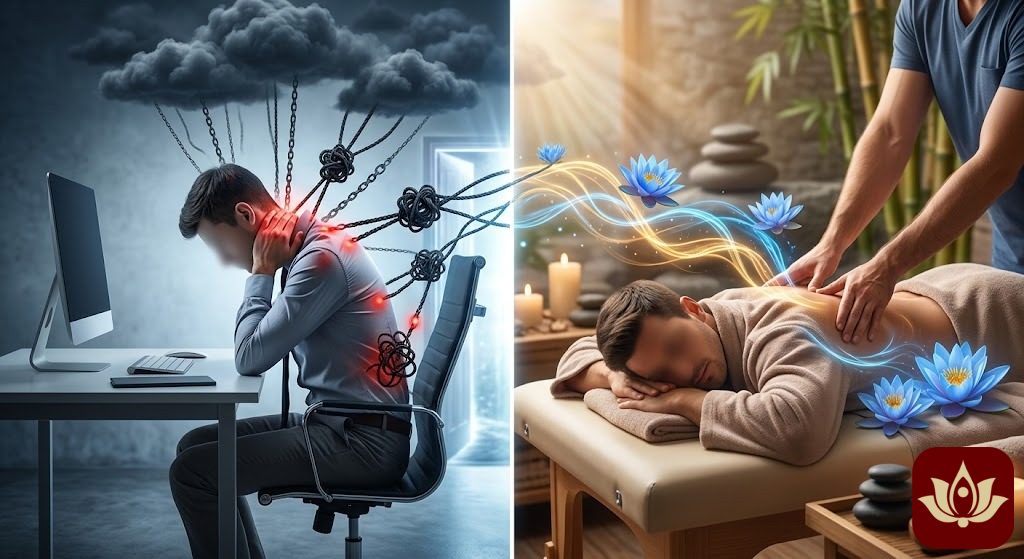
Muscle tension relief from sitting at a desk:Modern sedentary lifestyles and prolonged hours spent hunched over monitors carry hidden yet profound physical tolls. We routinely lock our bodies into unnatural, stationary postures, directly resulting in chronic pain across the upper and lower spine. Finding effective strategies for desk job muscle tension relief is no longer a luxury—it is an absolute necessity for sustaining your daily productivity and overall well-being. Understanding your body’s structural mechanics and the physiological root of these pains is the crucial first step toward lasting recovery.
Physical pressure from inactivity gradually shortens muscle fibers and severely restricts blood flow to surrounding tissues. This stagnation leads directly to the accumulation of lactic acid and the formation of painful trigger points, which often manifest as sharp, stabbing pains or a continuous, exhausting heaviness in the shoulders. Fortunately, by blending targeted lifestyle adjustments with the therapeutic touch of professional spa treatments, you can break this agonizing cycle.
The Hidden Physiology of Prolonged Sitting
The human anatomy is brilliantly engineered for dynamic movement, not for rigid, static angles. When you remain anchored to an office chair or behind a steering wheel for consecutive hours, your hip flexors and chest muscles are forced into a state of continuous, unnatural contraction. Simultaneously, your back and gluteal muscles become overstretched and progressively weaker. This severe muscular imbalance places an extraordinary burden on your cervical and lumbar vertebrae, eventually altering the natural, healthy curvature of your spine and promoting conditions like forward head posture or a rounded upper back.
From a physiological standpoint, immobility drastically reduces the circulation of both blood and lymphatic fluids. Oxygen-rich blood struggles to reach compressed, tightened tissues, while cellular metabolic waste becomes trapped within the muscle fibers. This toxic accumulation triggers the body’s inflammatory response, generating intense spasms and a crippling sense of stiffness.
Furthermore, workplace psychological stress severely amplifies these physical symptoms. When confronted with deadlines and anxiety, the sympathetic nervous system engages the body’s primitive “fight or flight” response. This state induces involuntary muscle bracing, particularly across the jaw, neck, and trapezius muscles. Therefore, a truly comprehensive healing strategy must address both physical realignment and the meticulous management of mental tension.
Corrective Ergonomics and Stiff Neck and Shoulder Treatment
Your primary defense against the physical wear and tear of office life consists of small, relentless modifications to your workspace and daily habits.
Essential Ergonomic Adjustments:
Monitor Alignment: Your screen must be perfectly level with your eyes to eliminate the need to tilt your head downward, removing immediate strain from the cervical spine.
Lumbar Support: Your chair should naturally fill and support the inward curve of your lower back, preventing you from slouching forward.
Foot Placement: Both feet must rest completely flat on the floor, stabilizing your pelvis and aligning your hips.
Arm Positioning: Desk height should allow your elbows to rest at a comfortable 90-degree angle, stopping your shoulders from creeping up toward your ears.
Integrating gentle, systematic stretching into your workday is another phenomenal method for driving fresh blood back into exhausted tissues. Adopt the golden rule of mobility: “For every 45 minutes of sitting, take 5 minutes to move.” Stand up, reach your arms tall toward the ceiling, slowly roll your shoulders backward, and gently guide your neck through its full range of motion. Ending a demanding workday with a warm herbal compress can also significantly dilate blood vessels and relax aggravated muscle fibers.
For those navigating minor aches at home, exploring At-Home Massage Therapy Best Techniques for Relieving Muscle Knots[cite: 1] can offer immediate, soothing comfort. Using warming botanical oils, such as black seed or ginger, during a localized self-massage can generate immense temporary relief. However, when muscular knots become deeply entrenched and chronic, stretching and home remedies are simply insufficient. You require the highly specialized intervention of professional manipulation to thoroughly break down resilient tissue adhesions.
Image Prompt 2: Close-up of a massage therapist’s hands gracefully working warm essential oils into a soft towel-draped back (no recognizable gender/face), highlighting the soothing atmosphere of a high-end spa with soft amber lighting and fresh bamboo in the background. 16:9 landscape.
The Miracle of Massage Therapy for Lower Back Pain
When corrective daily habits fall short, professional massage therapy emerges as a scientifically validated, incredibly powerful healing mechanism. Massage is far more than a fleeting moment of luxurious indulgence; it is a profound clinical intervention that recalibrates the nervous, circulatory, and lymphatic systems. Precisely calibrated pressure applied by a master therapist actively fractures fascial adhesions within the connective tissues, instantly restoring lost elasticity to your musculature.
The physical manipulation of soft tissue triggers a massive release of endorphins, serotonin, and dopamine—the body’s premier natural painkillers and mood elevators. Concurrently, levels of cortisol, the primary stress hormone, plummet. For individuals specifically seeking massage therapy for lower back pain, a customized sequence of kneading, sustained pressure, and guided stretching successfully decompresses trapped nerves (such as the sciatic nerve) and dramatically expands joint mobility. Exploring our premium Massage Services[cite: 1] will introduce you to a world of targeted, restorative treatments.
Regular, dedicated spa therapies dramatically accelerate cellular healing by flooding damaged tissues with oxygen. This exact mechanism is vital for flushing out the stubborn lactic acid pooling in the shoulders and shoulder blades of office workers. Clients who systematically integrate Spa Treatments[cite: 1] into their monthly routines report vastly improved sleep architecture, sharpened mental clarity, and a near-total eradication of workplace bodily aches.
Optimal Massage Styles for Sedentary Lifestyles
Selecting the ideal modality depends entirely on the severity of your tension and your specific physical requirements.
Deep Tissue and Sports Massage For clients battling chronic, cement-like stiffness, moderate to highly firm pressure is critical. Deep tissue techniques are absolutely not restricted to athletes; by aggressively targeting the deepest sub-layers of muscle fascia, this modality forcefully dismantles the rigid, stubborn knots born from years of improper posture.
Swedish Massage If your goal is to seamlessly blend profound mental tranquility with gentle physical recovery, Swedish massage[cite: 1] is the undisputed gold standard. Characterized by long, fluid, rhythmic strokes, it dramatically enhances systemic blood circulation and effortlessly washes away the profound fatigue generated by stressful corporate environments.
Traditional Thai Massage Rooted in ancient yogic stretches and precise stimulation of the body’s energy pathways (Sen lines), Traditional Thai massage[cite: 1] is exceptionally effective at restoring fluid flexibility to the spine and pelvic joints. Your therapist physically maneuvers your body into deep, assisted stretches that you could never achieve independently, effectively resetting your postural alignment.
Conclusion: Reclaiming Your Vitality
Your body is your most vital asset, and localized pain is its urgent, unignorable language demanding your immediate attention. Masking desk job tension with over-the-counter chemical painkillers merely silences the alarm without extinguishing the fire. By overhauling your desk ergonomics, committing to daily mobility exercises, and integrating therapeutic massage into your wellness regimen, you can permanently resurrect your physical vitality.
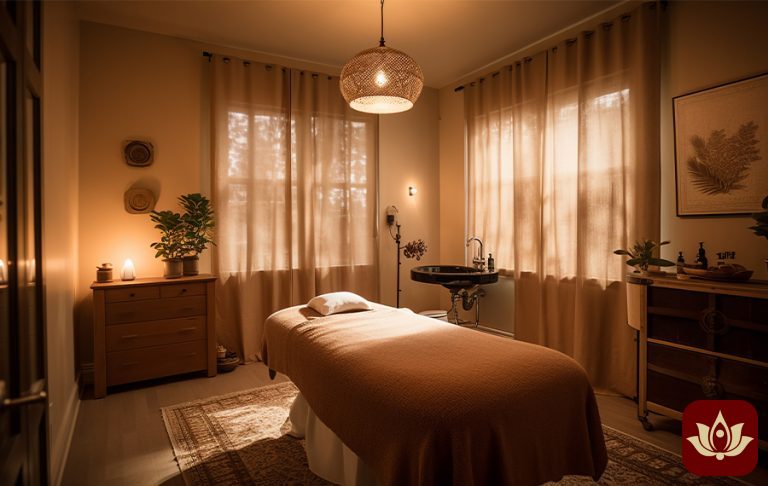
At Niloufar Abi Spa, our elite team of specialized therapists and our immaculately designed, serene sanctuaries are fully equipped to guide you out of chronic pain and into a state of absolute, weightless relaxation. Do not wait for the tension to worsen. Take a definitive step toward holistic health and Book Now[cite: 1] to experience the ultimate joy of a pain-free, revitalized life.
Frequently Asked Questions
Is massage therapy safe and effective for herniated discs and nerve pain? Yes, but strictly under specific, controlled conditions. Expert massage greatly relaxes the rigid muscles aggressively pulling on the spine, thereby removing severe mechanical compression from the vertebrae and discs. This significantly alleviates radiating nerve pain. However, direct, forceful pressure on the spinal column itself must be entirely avoided during acute inflammatory phases. You must always thoroughly brief your therapist regarding any disc issues prior to the session so they can expertly adapt their techniques.
How frequently should an office worker get a massage for optimal muscle relief? The ideal frequency is directly tied to the severity of your muscular spasms and your daily routine. For professionals who are desk-bound for over eight hours a day and suffer from chronic, deep-seated pain, an intensive treatment phase of two to three sessions per month is highly recommended. Once the primary knots are dissolved and you enter a maintenance phase, one comprehensive session every month is perfectly adequate to preserve your flexibility and prevent the recurrence of debilitating stiffness.
Can stiff neck and shoulders be permanently cured through stretching alone? While stretching is an outstanding preventative measure and excellent for soothing mild aches, it cannot cure chronic conditions alone. If muscular trigger points have fully hardened, stretching them is completely ineffective. A muscle locked in a severe spasm physically resists being elongated, and forcing a stretch can actually cause dangerous micro-tears. The most effective, holistic cure always pairs daily stretching with professional massage therapy, which physically kneads, warms, and softens the hardened tissue first.