Yoga for Back Pain: 10 Gentle Poses to Restore Spinal Health
Why Yoga is the Ultimate Natural Remedy for Spinal Health
In today’s modern lifestyle, prolonged desk sitting, chronic stress, and a sedentary routine place immense pressure on the vertebrae and the surrounding back muscles. Consistent and mindful practice of yoga for back pain not only strengthens the core muscles supporting your torso but also enhances blood circulation around the lower back and pelvic region, accelerating tissue oxygenation and natural healing.
When considering spinal health, many individuals worry about strenuous or intimidating postures; however, the beauty of yoga lies in its gentle, scalable nature, adaptable to any fitness level. These movements relieve accumulated pressure on the sciatic nerve and spinal vertebrae, creating essential space for intervertebral discs to decompress. If you are looking for a serene, professional environment to learn these practices properly, explore our specialized classes available through our Yoga Classes page[cite: 1].
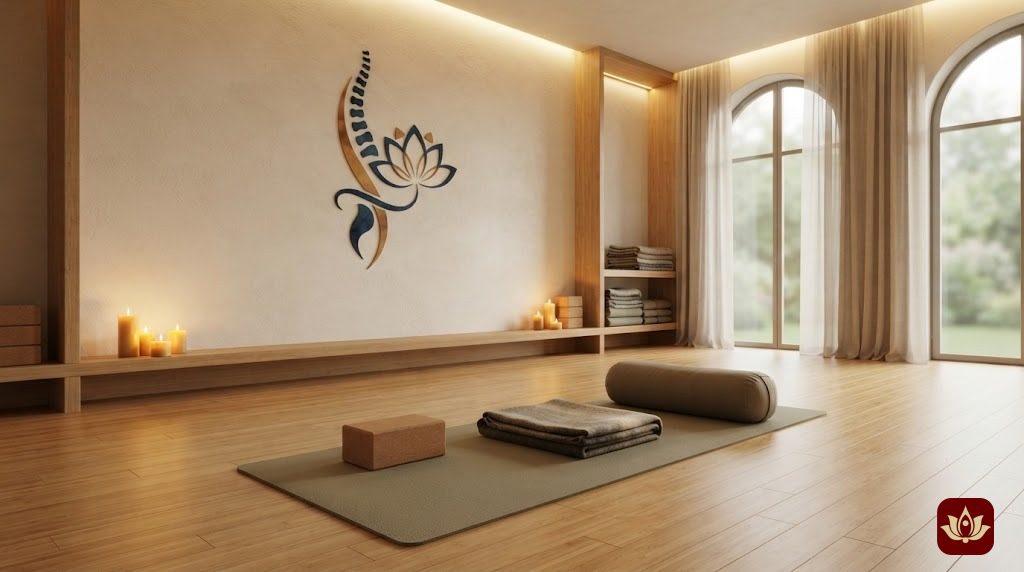
Alt Text: Peaceful yoga studio setup with bamboo flooring and soft lighting for back pain relief.
10 Practical Yoga Poses to Relieve Back Pain
Practicing these 10 movements under expert guidance or with a deep awareness of your body’s limits can work wonders for your spine:
- Cat-Cow Pose (Marjaryasana-Bitilasana)
An exceptional warm-up to mobilize the spine and increase flexibility. Start on your hands and knees; inhale as you drop your belly toward the mat and lift your chest and gaze (Cow), then exhale as you draw your spine toward the ceiling and tuck your chin to your chest (Cat). Repeat this flow 10 times.
- Child’s Pose (Balasana)
One of the most soothing postures for a gentle stretch across the lower back and glutes. Spread your knees wide, sink your hips back toward your heels, and walk your hands forward, resting your forehead on the mat. Take slow, deep breaths here for a few minutes.
- Knees-to-Chest Pose (Apanasana)
Lie flat on your back, draw both knees in toward your chest, and wrap your arms around them. Gently rock side to side to massage your lower spine against the floor, effectively releasing built-up tension in the lumbar region.
- Bridge Pose (Setu Bandhasana)
To strengthen your glutes and lower back, lie on your back with your knees bent and feet flat on the floor, hip-width apart. Pressing your feet firmly down, lift your hips and pelvis toward the ceiling. This movement is fantastic for improving posture and relieving lower back stress.
- Supine Spinal Twist (Supta Matsyendrasana)
Lie on your back, draw your knees toward your chest, and gently drop both knees to one side. Extend your arms out to the sides and look in the opposite direction. This pose is particularly beneficial for those incorporating yoga for mild disc herniation.
- Downward-Facing Dog (Adho Mukha Svanasana)
This traditional pose stretches the entire back body from your heels to your neck. Form an inverted “V” shape with your body, pressing firmly through your palms while lifting your hips high. Keep your knees slightly bent if your hamstrings feel tight.
- Cobra Pose (Bhujangasana)
Lie facedown, place your palms under your shoulders, and use your upper back strength alongside a gentle push from your hands to lift your chest slightly off the floor. Keep the movement comfortable and avoid forcing your lower back.
- Triangle Pose (Trikonasana)
An active standing posture that stretches the side body and hips while building spinal stability. Step your feet wide, turn one foot out 90 degrees, reach your torso out over that leg, and extend your top arm toward the sky.
- Sleeping Pigeon Pose (Eka Pada Rajakapotasana variation)
A premier hip opener for relieving sciatic nerve irritation. From a tabletop position, bring one knee forward behind your wrist while extending the other leg straight back, then lower your upper body toward the mat. This posture directly targets yoga and sciatica relief.
- Corpse Pose (Savasana)
No yoga practice is complete without final relaxation. Lie flat on your back, allow your limbs to rest slightly away from your body, and close your eyes. Focus entirely on deep, steady breathing to calm your nervous system.
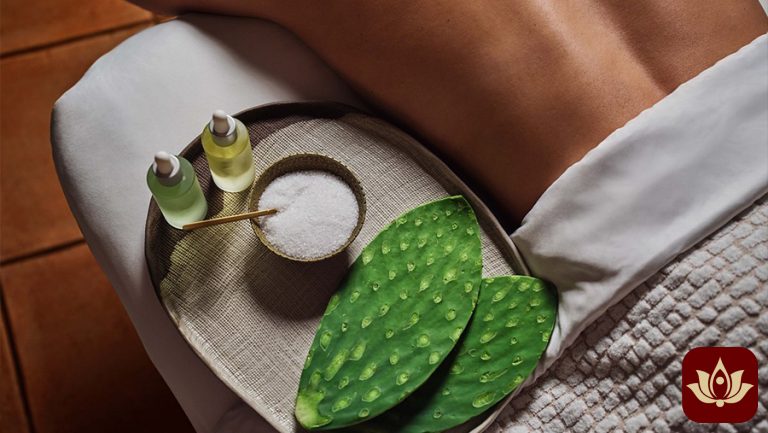
Alt Text: Serene spa relaxation atmosphere with river stones and bamboo leaves.
Complementary Therapies for Deep Relief
While regular yoga practice forms a strong foundation, pairing it with complementary therapeutic treatments can dramatically accelerate recovery. Massage therapy stands out as an effective way to relieve deep-seated muscle spasms that physical stretching alone cannot always reach. If you want to learn more about targeted pain relief through bodywork, read our specialized insights on Massage Services[cite: 1]. Combining structured massage therapy with mindful stretching restores lost mobility to the body.
To view our comprehensive wellness packages, visit our Spa Treatments[cite: 1] page, or head over to Book Now[cite: 1] to schedule your next session at Niloufar Abi.
Alt Text: Professional spa interior with massage oil bottles and glowing candles.
Conclusion
Back pain should never stand in the way of you enjoying a vibrant life. Consistent and mindful practice of yoga for back pain empowers you to build core strength, enhance spinal flexibility, and melt away daily stress. Remember that the core principles of yoga are consistency, listening closely to your body’s signals, and avoiding any forced, painful movements. By blending these soothing physical exercises with professional spa treatments at Niloufar Abi, you grant your body and mind the gift of lasting wellness.
Frequently Asked Questions (FAQ)
Is practicing yoga dangerous for a herniated disc?
Practicing yoga with a herniated disc is not dangerous when performed under expert supervision and with careful modifications. However, extreme forward bends or sudden spinal twists must be avoided. Always consult your physician before starting any new fitness routine, and stop immediately if you feel sharp or shooting pain.
How can yoga help alleviate sciatica pain?
Sciatic nerve discomfort typically stems from tight muscles compressing the nerve around the hips and glutes. Poses like Sleeping Pigeon, Knees-to-Chest, and gentle hamstring stretches help relieve tension surrounding the sciatic nerve, gradually reducing inflammation and discomfort over time.
Do I need high flexibility to start yoga for back pain?
No, that is a common misconception. Yoga is a tool to build flexibility, not a prerequisite for it. You can use supportive props such as yoga blocks or folded blankets to adapt poses to your individual body capacity and experience steady improvement.