The Ultimate Guide to Swedish Massage: Unlocking the Art of Serenity
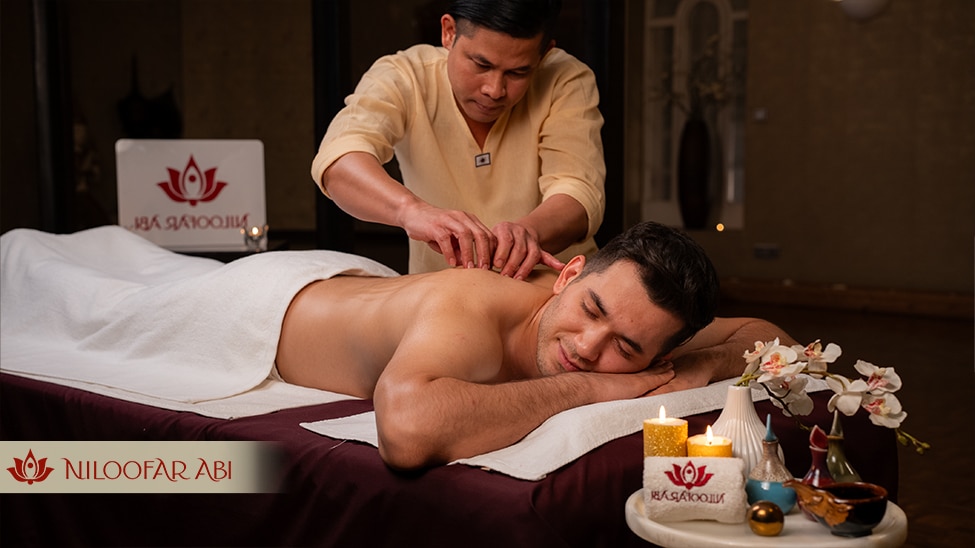
In our fast-paced modern world, where the hum of technology and the weight of daily responsibilities cast a long shadow over our physical and mental well-being, finding a sanctuary for peace is no longer a luxury—it is a vital necessity. Stress has become a silent companion for many, manifesting as tension in our shoulders, clouds in our minds, and fatigue in our spirits.
When we speak of therapeutic restoration, one name shines brighter than the rest among the constellations of bodywork: Swedish Massage. Often hailed as the “Mother of Western Massage,” it is the cornerstone of modern spa therapy. But what exactly is this modality, and why has it stood the test of time?
At Niloufar Abi Spa, we believe that true wellness begins with awareness. Understanding the “why” and “how” behind a treatment amplifies its healing effects. In this comprehensive guide, we invite you to journey with us through the history, anatomy, and profound benefits of this classic massage, empowering you to give your body the gift it truly deserves.
A Journey from Europe to the World: The History
The roots of this celebrated technique stretch back to the early 19th century. As the name suggests, the development of this style began in Sweden around 1830. Per Henrik Ling, a Swedish physiologist and fencing instructor, sought a remedy for his own chronic pain and injuries.
Inspired by the fluidity of gymnastics and grounded in the science of physiology, Ling developed a system of movements initially called the “Swedish Movement Cure.” He combined rhythmic strokes with percussion to stimulate circulation and muscle recovery.
It wasn’t until the 1850s that two brothers and physicians, Dr. Charles and Dr. George Taylor, introduced Ling’s methods to the United States, rebranding and refining them into the scientific rehabilitation method we recognize today. Now, this heritage is practiced in top-tier wellness centers globally, serving as the foundational standard for relaxation.
Why Choose Swedish Massage? The Symphony of Health Benefits
You may wonder, why is Swedish Massage the default recommendation when you walk into a high-end spa? The answer lies in one word: Balance.
Unlike clinical treatments that may be painful, or energy work that may be subtle, Swedish massage is an artful blend of pure relaxation and therapeutic intervention. It bridges the gap between the mind and body.
1. Physical Restoration
The physical benefits of this modality extend far beyond simple muscle relaxation.
-
Enhanced Circulation: The long, gliding strokes used in Swedish massage are directed toward the heart. This mechanical action significantly boosts hemoglobin levels, improving the flow of oxygen-rich blood to tired muscles and vital organs.
-
Lymphatic Detoxification: By stimulating the lymphatic system, this massage accelerates the body’s natural ability to flush out metabolic waste, lactic acid, and toxins. It is a reset button for your immune system.
-
Pain Relief and Flexibility: If you suffer from chronic stiffness or “knots,” Swedish massage warms the muscle tissue, allowing the therapist to gently work out adhesions. This improves range of motion and alleviates the pain associated with sedentary lifestyles.
-
The Beauty Connection: Beauty is often a reflection of inner health. improved blood flow results in a natural glow and healthier skin tone. Pro Tip: For a holistic approach to beauty, many of our clients combine this massage with our specialized Spa Services or facials to rejuvenate both body and complexion.
2. Mental and Emotional Harmony
The impact of touch on the human psyche is profound. Research indicates that a single 60-minute session can trigger a biochemical shift in the brain:
-
Cortisol Reduction: It drastically lowers levels of cortisol, the notorious stress hormone that causes weight gain and anxiety.
-
The “Happy Hormones”: The therapy stimulates the production of serotonin, dopamine, and oxytocin—neurotransmitters responsible for feelings of happiness, satisfaction, and emotional connection.
-
Insomnia Relief: Many of our guests at Niloufar Abi report a significant improvement in sleep quality. The deep state of relaxation achieved acts as a natural antidote to insomnia, leaving you feeling lighter, much like the afterglow of a deep meditation or Yoga Nidra session.
The 5 Pillars of Touch: Understanding the Techniques
A Swedish massage is not random; it is a choreographed routine. The therapist acts as a musician, using five specific techniques to create a rhythm on your body. Understanding these strokes helps you connect deeply with the process.
1. Effleurage (The Glide)
Usually the opening and closing act of the session. The therapist uses palms and oils to perform long, sweeping, gliding strokes. This warms up the muscle tissue, spreads the oil, and allows the therapist to “listen” to your body and identify tension spots. It establishes trust and calm.
2. Petrissage (The Knead)
This is the heart of the massage. Resembling the kneading of dough, the therapist lifts, squeezes, and rolls the muscles. Petrissage is vital for working out deep knots, increasing circulation in deeper tissues, and physically breaking down adhesion in the muscle fibers.
3. Friction (The Rub)
When your therapist focuses on a specific stubborn area—like the knots between your shoulder blades—they are likely using friction. This involves deep, circular movements using the thumbs or fingertips to create heat and break down scar tissue or rigid muscle fibers.
4. Tapotement (The Rhythm)
Perhaps the most recognizable technique, this involves rhythmic tapping, cupping, or chopping with the edge of the hand. While it may seem vigorous, it is incredibly energizing. It wakes up the nervous system, stimulates blood flow to the surface, and prevents the client from feeling lethargic after the session.
5. Vibration (The Shake)
A subtle yet powerful technique where the therapist uses rapid shaking movements with their hands or fingertips. This is excellent for loosening small muscles (like those along the spine) and soothing nerves, creating a sensation of vibrating release that is deeply pleasant.
To experience these techniques firsthand, we invite you to browse our Massage Services and select the therapist that best suits your needs.
Swedish vs. Thai Massage: Knowing the Difference
A frequent question we receive at our branches is: “Is Swedish massage the same as Thai massage?”
The answer is a definitive no. While both aim for health, their paths are divergent. To help you decide, our analysis team at Niloufar Abi has broken down the key differences:
| Feature | Swedish Massage | Thai Massage |
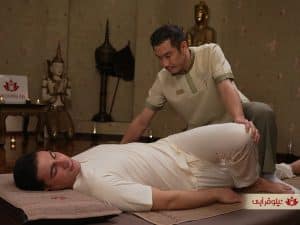
| Environment | Performed on a massage table. | Performed on a floor mat. |
| Attire & Tools | Client is unclothed (draped) using oils/lotions. | Client remains fully clothed; no oil is used. |
| Technique | Gliding, kneading, and rubbing muscles. | Active stretching, pulling, and rocking. |
| Focus | Relaxation, circulation, and stress relief. | Energy lines (Sen), flexibility, and flow. |
| Sensation | Soothing and flowing. | Invigorating and yoga-like. |
If you are looking for deep relaxation where you can drift off to sleep, Swedish is your choice. If you want to feel stretched and energized, you might explore our Yoga and Thai modalities.
The Golden Rules: Pre and Post-Massage Care
To maximize the return on your investment in your well-being, how you treat your body before and after the session is crucial.
Before Your Appointment
-
Hygiene: A warm shower before your session opens the pores, making your skin ready to absorb the high-quality nutrient-rich oils we use.
-
Light Dining: Avoid heavy meals for at least one hour prior. Digestion draws blood to the stomach, whereas massage draws it to the muscles; doing both simultaneously can cause discomfort.
After Care: The ” Glow” Maintenance
-
Hydrate Relentlessly: This is the most important rule. Massage releases stored toxins from your muscles into your bloodstream. Drinking water helps flush these toxins out of your system.
-
Rest: Do not rush back to a high-stress meeting or a heavy gym workout. Allow your body to integrate the relaxation.
-
Dietary Pause: Avoid alcohol and heavy caffeine immediately after. Your liver is already processing metabolic waste released by the massage; give it a break.
-
Gentle Movement: If you feel a “good sore” (which is normal), perform light stretching or use a warm compress to soothe the muscles.
Final Thoughts: An Investment in You
Swedish massage is far more than a simple indulgence; it is a scientifically backed therapy designed to restore equilibrium to the complex machinery of the human body. Whether you are a high-performance athlete, a corporate professional glued to a desk, or a parent seeking a moment of silence, this therapy elevates your quality of life.
At Niloufar Abi, we combine expert therapists, a serene hygienic environment, and a passion for healing to offer you an unparalleled experience. Your health is your most valuable asset—guard it well.
Ready to melt away the stress?
Book an Appointment today and let the magic of serenity begin.