The Ultimate Guide to Post-Massage Nutrition: What to Eat and Drink for Optimal Recovery
When you step off the treatment table after a long, deeply satisfying massage session, a profound sense of lightness, freedom from tension, and absolute tranquility washes over your entire being. In these golden moments, your body occupies a unique physiological state where cells actively regenerate and clear metabolic waste. One of the most frequent questions clients ask their spa therapists is precisely what to eat and drink after a massage to lock in this lingering vitality. The answer holds the key to sustaining your well-being and maximizing the cumulative benefits of your wellness therapy.
Proper nutrition and hydration following bodywork play just as vital a role in muscular health as the physical techniques applied by your therapist. When your nervous system shifts into a deep state of rest—governed by the parasympathetic system—your digestive tract becomes primed to absorb superior nutrients. At Niloufar Abi Spa, we approach post-massage recovery through an expert, scientific lens, detailing which foods and beverages accelerate your body’s rejuvenation and which items you should strictly avoid.
Why Post-Massage Nutrition and Hydration Are Critical
During a therapeutic session, mechanical pressures and targeted stretching techniques dramatically boost blood circulation deep within your muscle tissues. This intensified circulation dislodges metabolic waste products, such as lactic acid accumulated over days or weeks, sweeping them directly into the bloodstream. Consequently, your lymphatic system urgently requires fluids and cleansing nutrients to flush these toxins out via the kidneys. Failing to nourish your body correctly at this stage can result in next-day muscle soreness, headaches, or profound fatigue.
Simultaneously, once physical knots and spasms (trigger points) are released, your muscles enter a delicate phase of repair and remodeling. These soft tissues require proteins, vitamins, and trace minerals to complete microscopic structural recovery. Proper post-massage nutrition not only supports this healing but also helps maintain elevated levels of soothing neurotransmitters like endorphins, serotonin, and dopamine released during your treatment, keeping you floating in a tranquil bliss.
Furthermore, receiving professional bodywork can trigger a slight dip in blood glucose due to heightened cellular metabolism. This minor drop explains why a mild appetite often surfaces right after a session. Understanding how to stabilize blood sugar through intelligent food choices is an essential pillar of self-care. Smart dietary selections restore depleted energy without inducing sluggishness or heaviness.
The Best Beverages: Your First Step in Post-Massage Recovery
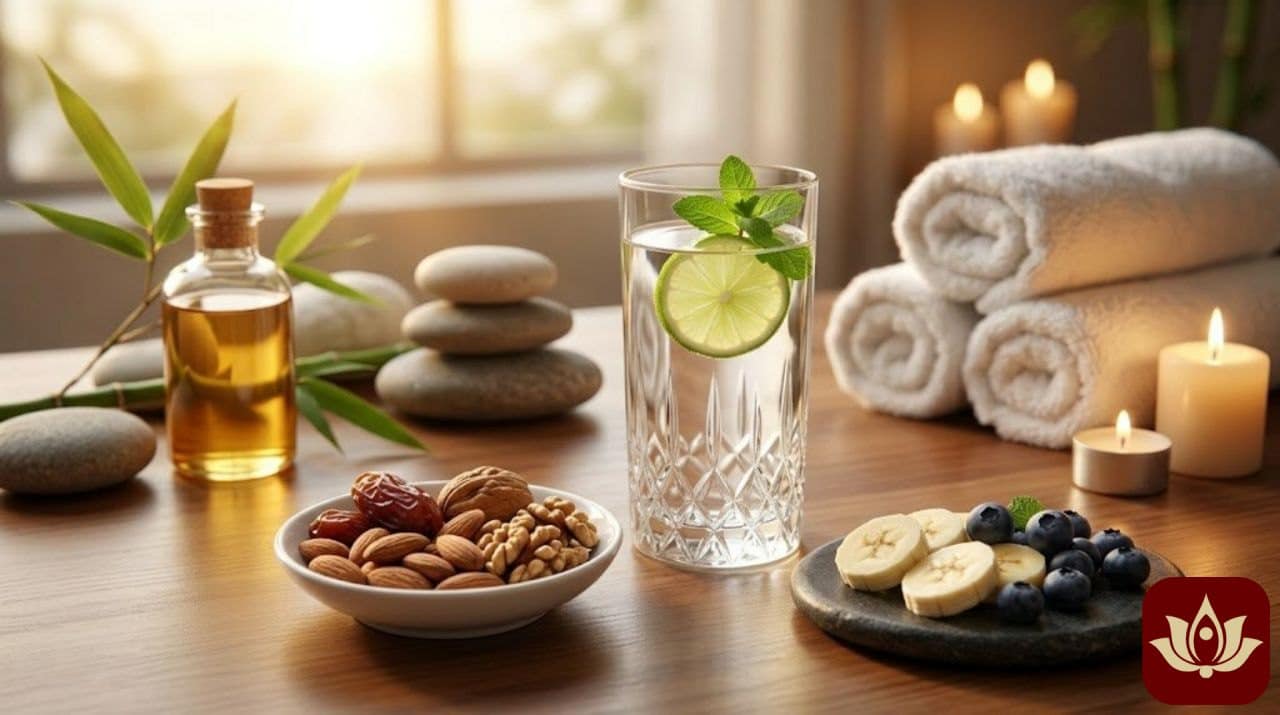
Before asking what to eat after a massage, you must consider what to drink. Pure, room-temperature, filtered water is the single most crucial element to introduce to your body immediately following a session. As noted, mobilized toxins require an efficient transport vehicle to leave the body, and water serves as that primary cleansing medium. Drinking one to two glasses of ambient water is strongly recommended. Ice-cold water should be avoided immediately post-massage, as it can shock freshly warmed muscles and trigger sudden contractions.
Beyond plain water, traditional soothing herbal infusions offer an exceptional way to prolong your state of relaxation. Teas infused with chamomile, decaffeinated green tea, borage (gol gav zaban), or peppermint possess powerful anti-inflammatory properties that help soothe lingering, mild muscle aches. Across ancient Eastern cultures, serving herbal tea following therapeutic bodywork is an indispensable tradition aimed at balancing bodily humors and preserving inner warmth.
Natural coconut water is another miraculous beverage option for post-bodywork recovery. Because massage acts similarly to mild physical exercise by utilizing bodily electrolytes, coconut water—abundant in potassium and magnesium—rapidly restores electrolyte balance. This light, refreshing, and mineral-dense drink delivers sustained natural energy without causing an abrupt blood sugar spike. To explore various professional massage modalities tailored to your unique physical needs, visit our Massage Services page.
What to Eat After a Massage: Top Nutrient Groups
If you feel hungry after your spa session, opt for light, easily digestible meals packed with micronutrients. Fresh fruit represents an exceptional choice. Bananas, rich in potassium, actively help prevent post-massage muscle cramps. Additionally, antioxidant-dense fruits like strawberries, blueberries, grapes, and apples help neutralize free radicals while amplifying cellular vitality. These natural, rapidly absorbed sugars safely correct minor blood sugar drops in the healthiest manner possible.
Nuts and seeds form a second category of miraculous post-spa foods. A small handful of raw almonds, walnuts, or pumpkin seeds delivers essential omega-3 fatty acids and clean proteins necessary to repair strained muscle fibers. Soft proteins help transition soft tissues out of a stressed state and reinforce structural integrity. If you have undergone deep tissue or sports bodywork, your body will have an even greater demand for these protein resources. For a broader perspective on holistic wellness philosophies, you can read our detailed guide on The Science of Spa: A Holistic Wellness Philosophy.
Steamed vegetables and light, warm broths comprise the third golden group of post-spa meals. When the body rests, it should not expend excessive energy digesting heavy meals. A light bowl of vegetable or chicken soup provides essential hydration while remaining gentle on the digestive tract and comforting to the internal system. This mindful approach to nutrition aligns perfectly with holistic spa philosophies. To deepen your understanding of these traditions, explore our comprehensive overview on What is a Spa? Exploring History, Services, and Types.
Dietary Don’ts: Foods to Avoid Following a Massage
Just as knowing what to eat after a massage matters, understanding what to avoid is equally critical. The first and most important restriction is caffeine. Consuming coffee, strong black tea, or energy drinks immediately following a massage abruptly stimulates the nervous system you just worked so hard to calm. Caffeine elevates heart rate and constricts blood vessels—an effect directly counterproductive to the goals of massage, which aims to dilate vessels and relax muscles. Furthermore, caffeine acts as a diuretic, risking dehydration.
Consuming alcohol after a massage is strictly discouraged and highly detrimental. Massage naturally increases circulation, and alcohol introduced into this state magnifies its harsh effects throughout the body. Alcohol dehydrates tissues severely and places an unnecessary burden on the liver, which is already busy filtering out toxins released from the muscles. This combination can trigger severe headaches, nausea, and completely erase your sense of post-spa serenity.
Finally, avoid heavy fast food, greasy fried dishes, and large, heavy portions. Digesting heavy meals requires pumping massive volumes of blood toward the stomach and intestines. Post-massage, however, oxygen-rich blood needs to remain circulating through the muscles to support healing. Eating a heavy meal diverts blood away from muscle tissues, inducing frustrating fatigue, bloating, and sluggishness.
Matching Your Nutrition to Your Specific Treatment
The intensity and style of bodywork you receive directly dictate your post-treatment nutritional requirements. If you have experienced a deep tissue massage or sports massage, the deep tissue manipulation and extensive lactic acid release demand doubled hydration and higher protein intake to facilitate recovery. These intensive modalities function similarly to a vigorous workout, depleting cellular energy stores.
Conversely, if you received a gentler, deeply relaxing modality—such as a Swedish relaxation massage or a calming skincare treatment—your body primarily requires moisture and quiet rest. Herbal infusions and water-rich fruits take top priority here. Grasping the distinct objectives of various therapeutic treatments is essential; if you are curious about these differences, reviewing our guide on The Ultimate Guide to Massage Types and Their Therapeutic Effects: Which One is Right for You? will provide valuable clarity.
Experience Infinite Serenity at Niloufar Abi Spa
An immaculate massage experience unites therapist expertise, a soothing environment, and mindful post-treatment care. At Niloufar Abi Spa, we attend to every detail of your health and comfort. Our dedicated, expert therapists provide tailored guidance regarding nutrition and personal aftercare at the close of every session, ensuring you carry your sense of lightness and renewal home.
Our luxurious facilities, enchanting aromas, and uncompromising international standards are designed to completely dissolve daily stressors from your mind and body. To review our diverse treatment packages and plan your restorative escape, we invite you to explore our Spa Treatments page. To book your appointment or learn more about our philosophy, visit our Book Now page. We are here to bring the art of true relaxation to your life.
Conclusion
The question of what to eat after a massage distills into a few simple yet vital principles: drink plenty of water to flush toxins, steer clear of caffeine and alcohol, and choose light meals rich in easily digestible proteins and vitamins. Proper post-bodywork nutrition serves as the missing link that transforms a pleasant spa session into a flawless, long-lasting recovery. By honoring these straightforward guidelines, you empower your body to reap the maximum rewards of healing massage and preserve your radiant well-being.
Frequently Asked Questions
1. Can I eat a full meal immediately after receiving a massage?
It is best to wait at least one to two hours post-massage before consuming heavy, full meals. Your body rests in a relaxed, muscle-repairing state following bodywork; redirecting a large volume of blood toward your digestive tract disrupts this vital repair process, causing fatigue and bloating. Stick to light snacks like fresh fruit and herbal tea during this initial window.
2. When is the best time to drink coffee after a massage?
Spa professionals recommend avoiding caffeine for at least four to six hours following your session. Caffeine found in coffee and strong teas stimulates the sympathetic nervous system, raises heart rate, and triggers fluid loss through urination. These physiological effects directly conflict with the core purpose of a massage: achieving deep relaxation and tissue hydration.
3. Why do we sometimes feel intense hunger after a massage?
Bodywork—particularly deep tissue therapies—boosts circulation, stimulates the lymphatic system, and accelerates cellular metabolism. These internal processes consume energy and can cause a minor drop in blood sugar. This reaction is entirely normal, signaling that your internal organs are active and healthy, and can easily be balanced with a wholesome light snack.
4. Does post-massage nutrition differ between relaxation and sports massages?
Yes, there are distinct differences. Relaxation massages focus primarily on toxin elimination and nervous system calm, making water, herbal teas, and light fruits sufficient. Conversely, following a sports or deep tissue massage where muscles have worked intensely and released high amounts of lactic acid, your body requires hydration paired with lean protein sources (like nuts) and electrolytes to rebuild muscle fibers effectively.