
Swedish vs. Deep Tissue Massage: Which Therapy Suits Your Body Best?
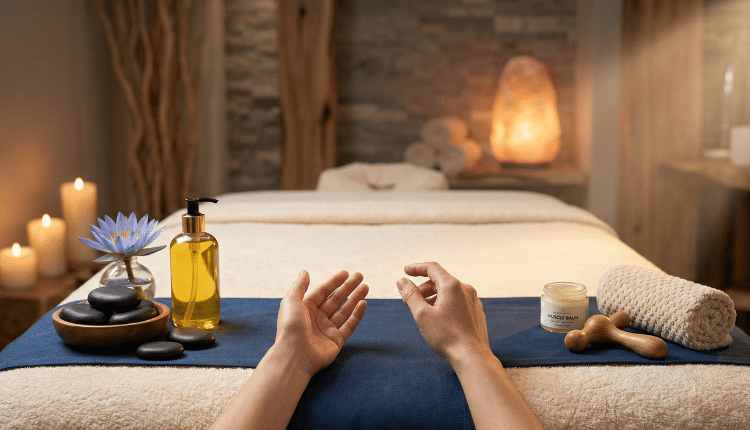
Scanning a spa menu can sometimes feel like deciphering a complex map. Among the myriad of exotic treatments and holistic rituals, two names consistently stand out as the pillars of massage therapy: Swedish Massage and Deep Tissue Massage.
For the uninitiated, they might seem interchangeable—after all, both involve a therapist, a massage table, and the promise of relief. However, choosing the wrong modality can mean the difference between drifting into a blissful slumber and engaging in an intense therapeutic session your muscles desperately need but your mind wasn’t expecting.
At Niloufar Abi, we believe that true relaxation begins with understanding. Whether you are seeking to escape the high-stress demands of daily life or looking to rehabilitate a stiff neck from hours at a desk, making an informed choice is the first step toward rejuvenation. In this comprehensive guide, we will dissect the nuances of these two popular therapies to help you decide which one your body is craving today.
![Landscape image of a luxury spa setting, focusing on a wooden bowl of massage oil, rolled white towels, and smooth hot stones on a bamboo mat. Soft, warm lighting creates a serene atmosphere. No people.]
Swedish Massage: The Art of Gentle Restoration
If you picture the quintessential spa experience—soft music, long flowing strokes, and a sense of weightlessness—you are visualizing Swedish Massage. As the most popular form of massage therapy globally, it serves as the foundation for Western bodywork.
The Technique
The primary goal of Swedish massage is to relax the entire body. This is accomplished by rubbing the muscles with long gliding strokes in the direction of blood returning to the heart. But it is more than just rubbing; it involves a specific set of techniques including:
-
Effleurage: Long, sweeping strokes to warm up the muscle.
-
Petrissage: Kneading and rolling to work out mild tension.
-
Tapotement: Rhythmic tapping to stimulate blood flow.
The Benefits
Beyond the immediate feeling of calm, Swedish massage is scientifically proven to decrease cortisol (the stress hormone) and increase lymphocytes, which are white blood cells that are part of the immune system. It is exceptionally effective for improving circulation and oxygenating the blood.
If you are new to the world of spa treatments, or if your primary goal is to disconnect from mental chatter and drift into a meditative state, this is your starting point. For a deeper dive into this specific modality, we recommend reading our Ultimate Guide to Swedish Massage, which explores the history and detailed benefits of this classic therapy.
Deep Tissue Massage: Structural Rehabilitation
On the other end of the spectrum lies Deep Tissue Massage. While it shares some strokes with Swedish massage, the pacing, pressure, and intention are entirely different. This is not necessarily a “relaxing” massage in the traditional sense; it is a “fixing” massage.
The Technique
Deep Tissue therapy focuses on realigning deeper layers of muscles and connective tissue (fascia). It is especially helpful for chronic aches and pains and contracted areas such as a stiff neck and upper back, low back pain, leg muscle tightness, and sore shoulders.
The movement is slower, and the pressure is deeper and concentrated on areas of tension and pain in order to reach the sub-layer of muscles and the fascia. The therapist may use their forearms, elbows, or knuckles to physically break down adhesions (bands of painful, rigid tissue) that disrupt circulation and cause pain, limit range of motion, and cause inflammation.
The “Good Pain” Concept
Unlike the gentle flow of Swedish massage, Deep Tissue can involve moments of discomfort. This is often referred to as “good pain”—a sensation that feels productive, as if a tight knot is finally being released. It requires a collaborative effort; you must breathe through the pressure to allow your muscles to yield.
![Close-up landscape shot of a pair of hands massaging a person’s shoulder (no face visible). The focus is on the technique and the pressure being applied. The lighting is slightly dimmer, emphasizing a therapeutic mood.]
The Core Differences: Breaking It Down
To help you navigate our Massage Services, let’s compare these two powerhouses side-by-side across four critical categories.
1. Pressure and Intensity
-
Swedish: Varies from light to medium. The pressure is firm but never painful. The intent is to warm the muscle and soothe the nervous system.
-
Deep Tissue: Ranges from firm to intense. The pressure is sustained and focused. It targets the “belly” of the muscle and the connective tissues wrapped around it.
2. The Intention
-
Swedish: Relaxation and stress relief. It is designed to calm the nervous system, making it perfect for those suffering from anxiety or emotional burnout.
-
Deep Tissue: Therapeutic correction. It treats musculoskeletal issues, sports injuries, and chronic strain patterns. If you can point to a specific spot that hurts, Deep Tissue is usually the answer.
3. The Rhythm
-
Swedish: Fast to moderate pace. The strokes are continuous and rhythmic, often synchronized with breathing to induce a hypnotic state of relaxation.
-
Deep Tissue: Slow and deliberate. The therapist must sink into the muscle layers gradually. Rushing deep tissue work causes the body to tense up (guarding), which is counterproductive.
4. Aftercare and Sensation
-
Swedish: You will likely feel lethargic, dreamy, and loose immediately after. There is rarely any residual soreness.
-
Deep Tissue: You may feel soreness for 24 to 48 hours after the session, similar to how you feel after a heavy workout. This is a sign that the muscles are restructuring. Drinking plenty of water is essential to flush out metabolic waste released during the session.
For a broader look at how different techniques compare, our article on Massage Types and Their Therapeutic Effects offers excellent insights into finding your perfect match.
Which One Should You Book?
The decision ultimately comes down to listening to your body’s current needs. Here is a quick checklist to help you decide before you visit one of our Branches.
Choose Swedish Massage if:
-
It is your first time getting a massage.
-
You have a low pain threshold or sensitive skin.
-
You want to relieve stress, anxiety, or insomnia.
-
You prefer a touch that encompasses the whole body rather than specific trouble spots.
-
You want to leave the spa feeling pampered and sleepy.
Choose Deep Tissue Massage if:
-
You are an athlete or have a physically demanding job.
-
You have chronic pain (e.g., lower back pain, stiff neck, sciatica).
-
You enjoy heavy pressure and feel that lighter massages “don’t do anything.”
-
You are recovering from a repetitive strain injury.
-
You want to improve your posture and range of motion.
Can You Mix Both?
Absolutely. This is often called a “customized massage.” You might request a Swedish massage for the full-body experience but ask the therapist to perform Deep Tissue work specifically on your shoulders and upper back where you hold tension. At Niloufar Abi, our expert therapists are trained to adapt their techniques to your unique physiology.
The Importance of Professional Expertise
Regardless of which style you choose, the skill of the therapist is paramount. Deep Tissue massage, in particular, requires a high level of anatomical knowledge. If performed incorrectly, it can cause bruising or injury.
At Niloufar Abi, we pride ourselves on a team of highly trained professionals who understand the intricate map of the human body. We ensure that our Spa Treatments are not just luxuries, but integral parts of your wellness routine. We use premium oils and maintain the highest standards of hygiene and ambiance to ensure your experience is transformative.
![Landscape image of a serene tea ceremony setup in a spa lounge. A ceramic teapot, two small cups, and a flower arrangement on a low wooden table. Blurred background of a spa corridor. No people.]
Conclusion: Honoring Your Body
There is no winner in the battle of Swedish vs. Deep Tissue massage; there is only the right choice for you in this moment.
Your body is a dynamic vessel. One week, you may need the gentle, nurturing touch of a Swedish massage to recover from emotional stress. The next month, you may require the intense, structural work of Deep Tissue therapy to address the physical toll of long work hours.
The most important step is simply showing up for yourself. Wellness is not a destination, but a continuous journey of listening to your body and responding with care.
Are you ready to release tension and restore balance? Whether you need the gentle flow of Swedish massage or the therapeutic release of Deep Tissue, our experts are ready to welcome you. Book your appointment today and experience the Niloufar Abi difference