The Ultimate Guide to Workplace Stress Relief and Corporate Burnout Recovery
Employee Stress and Fatigue Relief Methods:In today’s hyper-connected, fast-paced corporate environment, long hours seated at a desk and the endless demands of professional management leave little room for physical vitality or mental serenity. Many professionals conclude their workdays battling tension headaches, profound muscle stiffness, and a chronic sense of fatigue that even a full weekend of sleep cannot cure. Implementing structured relaxation techniques for workplace stress relief is no longer an optional luxury; it is an absolute necessity for sustaining corporate wellness, maintaining peak productivity, and preventing professional burnout. When the mind is overwhelmed by back-to-back meetings and the body is trapped in unergonomic desk chairs, a fundamental, deep-rooted recovery strategy is required. By combining physiological science with proven holistic wellness practices, professionals can actively reset their nervous systems and invite profound tranquility back into their daily lives.
The Physiological and Psychological Impact of Corporate Stress
Workplace stress is not merely a fleeting emotional state; it acts as the catalyst for a cascade of demanding biochemical reactions within the body. When faced with a looming project deadline or the intense pressure of a boardroom presentation, the adrenal glands instinctively flood the system with cortisol and adrenaline. This continuous hormonal surge traps the body in a perpetual state of “fight or flight.” Over time, this heightened state translates directly into elevated blood pressure, shallow and rapid breathing patterns, and severe muscle contractions—most notably manifesting as deep knots in the neck, shoulders, and lower back. This physiological tension explains why a mentally demanding workday routinely results in tangible, physical pain.
On a psychological level, the consequences of chronic exhaustion are equally severe. Burnout surfaces through symptoms of diminished concentration, a steep decline in creative problem-solving, heightened irritability, and disruptive sleep patterns. A fatigued mind loses its capacity to process new information efficiently, creating a vicious cycle that significantly impairs both professional output and personal well-being. Understanding this biological mechanism highlights exactly why superficial relaxation attempts often fail. True recovery requires targeted strategies that directly stimulate the parasympathetic nervous system, effectively returning the body to a state of calm equilibrium. Incorporating elements like aromatherapy into your daily routine can bypass the analytical mind, utilizing olfactory receptors to send immediate, soothing signals directly to the brain’s center for emotional regulation.
Micro-Restorations: Desk-Friendly Relaxation Techniques
Stepping away for a long break is not always feasible during a chaotic corporate workday. In these high-pressure moments, mastering rapid relaxation techniques can function as an essential reset button for the overwhelmed brain. One of the most scientifically validated methods is Box Breathing. This highly structured technique requires inhaling deeply for four seconds, holding that breath for four seconds, exhaling smoothly for four seconds, and pausing for a final four seconds before the next intake. This rhythmic, intentional pattern rapidly decelerates an elevated heart rate and signals to the central nervous system that the immediate environmental threat has passed. Engaging in this practice for just three minutes at your desk can dramatically restore mental clarity and focus.
Equally important are targeted isometric stretches designed to combat the physical toll of sedentary office life. Prolonged sitting inevitably leads to tightened hip flexors and rounded, slumped shoulders. Integrating gentle, deliberate movements—such as slow neck rotations, upward arm extensions, and chest-opening stretches—immediately redirects oxygenated blood flow back to the brain. Furthermore, applying gentle acupressure to specific tension points, such as the webbing between the thumb and index finger or the temples, naturally stimulates the release of endorphins. Combining these subtle movements with a mindful awareness of your environment prevents tension from solidifying within the muscle fascia, acting as a powerful daily shield against accumulating stress.
Transforming Your Home into a Recovery Sanctuary
Returning home after a demanding day should mark the transition into a safe, restorative sanctuary. Effectively eliminating physical and mental fatigue requires a highly intentional evening routine, purposefully devoid of digital overstimulation. The first crucial step is committing to a nightly digital detox. The artificial blue light emitted by smartphones, monitors, and televisions actively suppresses the natural production of melatonin, severely compromising your ability to achieve deep, restorative sleep. Transitioning away from all electronic screens at least one hour before bed and substituting them with analog, calming activities—such as reading physical books or engaging in light meditation—prepares the mind for profound rest.
Integrating hydrotherapy into your evening ritual provides remarkable physical benefits. A warm evening bath or shower naturally dilates blood vessels, accelerating the removal of lactic acid and metabolic waste that has built up in stagnant muscles throughout the workday. Enhancing this environment with high-quality essential oils, such as pure lavender or eucalyptus, elevates the sensory experience and deepens the relaxation response. Curating the physical atmosphere of your home by utilizing dim, warm lighting, playing low-frequency ambient acoustics, and engaging in restorative yoga flows explicitly signals to your body that the active phase of the day has concluded, allowing the crucial recovery phase to begin.
The Professional Recovery Approach: The Power of Wellness
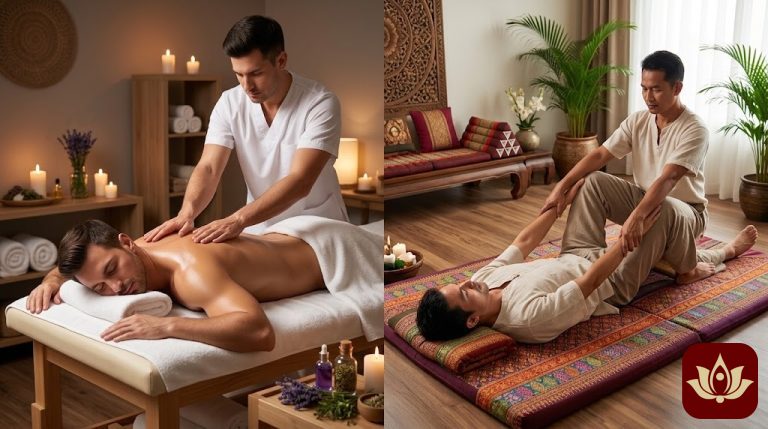
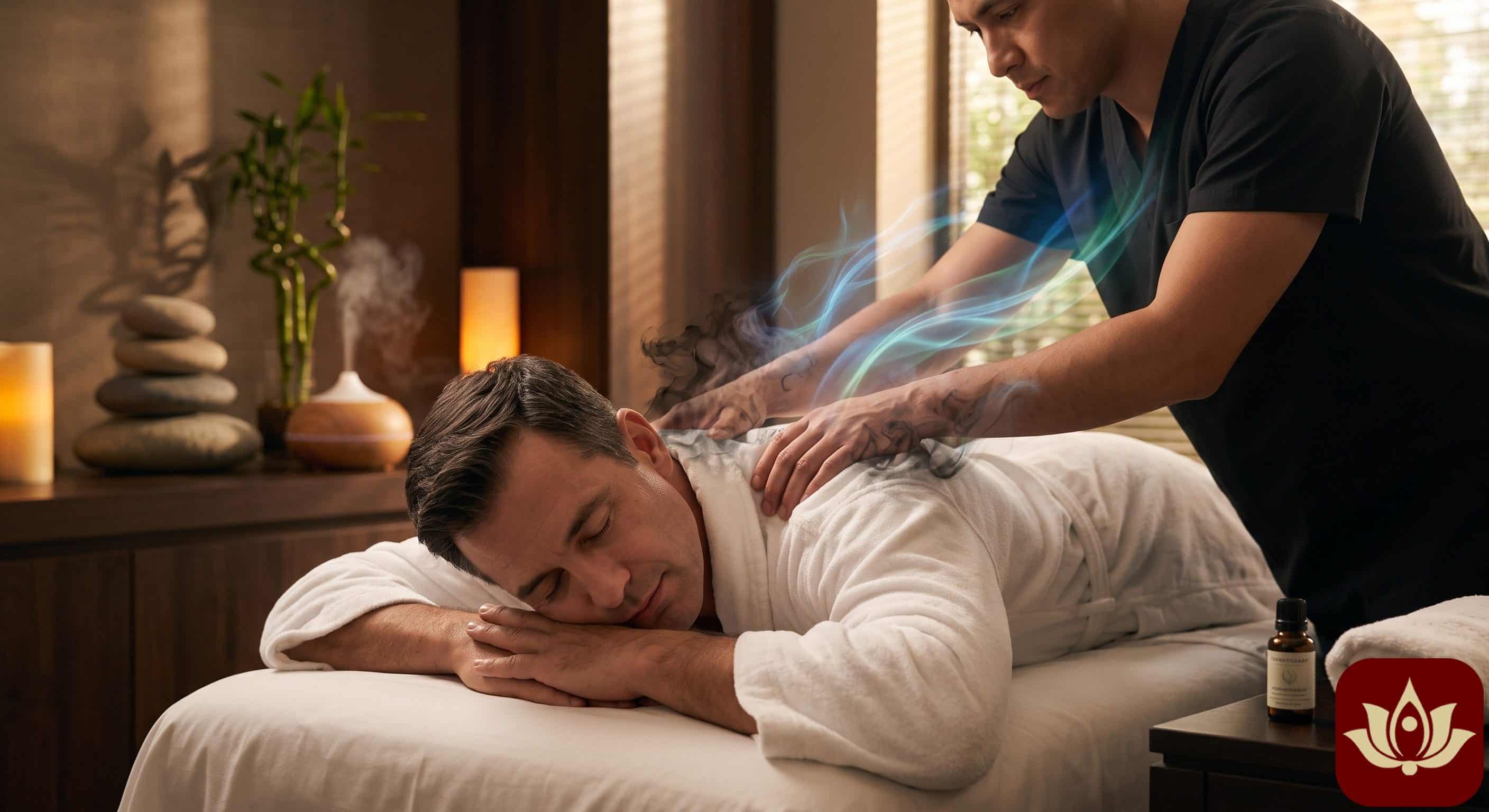
Nothing counteracts the physical damage of the modern corporate lifestyle quite like expert, specialized bodywork. A professional spa session is far more than a simple physical indulgence; it is a profound wellness experience that meticulously releases muscular trigger points and drastically improves lymphatic and blood circulation throughout the entire body. For executives and desk workers suffering from chronic stiffness in the lumbar and cervical regions, specialized focus on the neck and shoulders offers extraordinary relief. These dedicated sessions physically lower accumulated cortisol levels while simultaneously boosting serotonin and dopamine, leaving the individual with an unparalleled sense of lightness and renewed vitality.
Improved circulation also guarantees enhanced oxygen delivery to brain cells, effectively dissolving the mental fog intrinsically linked to severe professional fatigue. Many of the world’s most effective leaders and executives consider consistent wellness sessions a non-negotiable pillar of their corporate health strategy. Whether you require the firm, intentional pressure of deep tissue work to release long-held spasms or prefer the flowing, rhythmic serenity found in a classic Swedish massage[cite: 1], choosing the right approach will fundamentally transform your baseline quality of life. To explore a comprehensive portfolio of holistic wellness offerings designed to revitalize your body, we invite you to discover our premium Massage Services[cite: 1].
The Niloufar Abi Spa Experience
Selecting a highly reputable, specialized wellness environment is the cornerstone of experiencing true physical and mental recovery. Niloufar Abi Spa, with its extensive legacy of delivering unparalleled premium wellness, stands as an exclusive sanctuary away from the relentless pace of urban life. Utilizing the expertise of internationally trained specialists, the environment is meticulously curated so that every sensory detail—from the bespoke ambient aromas and precise climate control to the meticulously selected acoustic landscapes—is engineered to induce absolute tranquility. By intimately understanding the unique physical and psychological burdens carried by high-performing professionals, Niloufar Abi continuously redefines the highest standards of the regional wellness industry.
Investing in your physical and mental equilibrium is the single most valuable decision you can make to elevate both your professional trajectory and your personal fulfillment. Absolute transparency in our service offerings and an unwavering commitment to premium quality remain our guiding principles. To explore our diverse range of curated wellness packages and specialized Spa Treatments[cite: 1], or to secure your space in our sanctuary, we encourage you to Book Now[cite: 1] and take your first definitive step toward lasting, holistic rejuvenation.
Frequently Asked Questions
How often should desk workers and executives schedule wellness sessions to combat burnout? For professionals navigating high-stress environments and enduring long hours of sedentary desk work, engaging in at least two dedicated wellness sessions per month is highly recommended. This consistent schedule actively prevents the compounding of muscular tension and ensures the nervous system receives regular, structured recovery. If you are managing severe chronic stiffness or advanced postural discomfort, weekly sessions may initially be required to guide the body back to its optimal state of balance.
Which specific styles of bodywork are best suited for corporate professionals? A strategic combination of Deep Tissue techniques and flowing, relaxation-focused modalities like Swedish massage yields the best results for office workers. Targeted focus on the head, neck, and shoulders is exceptional for correcting rounded posture and alleviating tension headaches. Conversely, full-body Swedish techniques excel at stimulating systemic blood circulation, significantly reducing background anxiety, and promoting an overarching sense of calm.
Are five-minute desk relaxation techniques genuinely effective? Absolutely. The human brain requires brief, strategic pauses to continuously regulate emotional and cognitive output. Deep, intentional breathing exercises and brief isometric stretches exert a direct, positive influence on the vagus nerve. This immediately stabilizes the heart rate and actively interrupts the continuous physiological demand for cortisol production. Integrating these micro-breaks prevents the notorious late-afternoon energy crash and sustains consistent mental clarity until the end of the day.