Effective Massage Therapy for Plantar Fasciitis and Heel Spurs: A Comprehensive Guide to Pain Relief
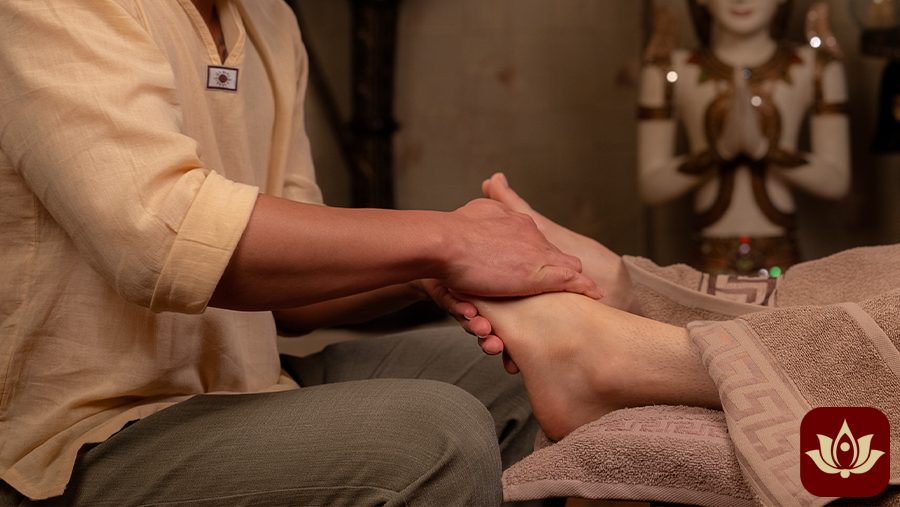
Are you dreading those first few steps in the morning? For many, the start of the day isn’t marked by a refreshing stretch, but by a sharp, stabbing sensation in the heel. This “nail-in-the-heel” feeling is a classic symptom of Plantar Fasciitis, a common yet debilitating condition caused by inflammation of the thick band of tissue running across the bottom of your foot.
In our fast-paced world, our feet endure immense daily pressure. Finding non-invasive, holistic ways to manage this discomfort is essential for maintaining an active lifestyle. Massage therapy for heel spurs and plantar fasciitis is not just a luxury; it is a scientifically-backed approach to restoring flexibility, reducing inflammation, and regaining your mobility.
Understanding the Root Cause: What is Plantar Fasciitis?
The plantar fascia is a resilient, bowstring-like ligament that connects your heel bone to your toes, supporting the arch of your foot and acting as a shock absorber. When the tension on this “bowstring” becomes too great, tiny tears can occur. Repetitive stretching and tearing cause the fascia to become irritated or inflamed.
If this inflammation persists over a long period, the body may attempt to protect the area by creating calcium deposits at the point where the fascia meets the heel bone. These bony protrusions are known as Heel Spurs. While the spur itself isn’t always the cause of pain, the underlying inflammation of the soft tissue certainly is.
Common Risk Factors
Age: Most common in people between 40 and 60.
Foot Mechanics: Flat feet, high arches, or even an abnormal pattern of walking can affect weight distribution.
Occupations: Jobs that require long hours of standing or walking on hard surfaces.
Obesity: Excess weight puts additional stress on the plantar fascia.
The Benefits of Specialized Massage for Foot Pain
Utilizing professional massage services is one of the most effective ways to manage the symptoms of foot pathologies. Here is how targeted therapy helps:
Enhanced Blood Circulation: Manual stimulation encourages blood flow to the poorly vascularized ligaments of the foot, delivering oxygen and nutrients necessary for tissue repair.
Breaking Down Adhesions: Over time, inflamed tissue develops “knots” or adhesions. Targeted pressure helps break these down, restoring the smooth gliding motion of the fascia.
Reducing Muscle Tension: The feet do not work in isolation. Often, tightness in the calves and Achilles tendon pulls on the heel. Massage relaxes this entire posterior chain.
Natural Pain Relief: Massage triggers the release of endorphins, the body’s natural painkillers, providing immediate relief from chronic throbbing.
If you are looking for a lasting solution, combining Massage Services with regular stretching can perform wonders for your recovery journey.
Key Massage Techniques for Plantar Fasciitis
At a professional level, therapists use a combination of techniques to address both the symptoms and the cause of heel pain:
1. Deep Tissue Massage
This technique focuses on the deeper layers of muscle and connective tissue. By applying slow, deliberate strokes, the therapist can reach the sub-dermal layers of the plantar fascia to release chronic tension. This is particularly effective for long-standing heel spurs.
2. Myofascial Release
This involves applying gentle, sustained pressure into the Myofascial connective tissue restrictions. For foot pain, this helps the arch of the foot regain its natural, flexible state, preventing the “tightness” that leads to morning pain.
3. Trigger Point Therapy
Specific “trigger points” in the arch and the heel are targeted to alleviate referred pain. By deactivating these hyper-irritable spots, the overall pain level of the foot decreases significantly.
The Crucial Link: Calf Muscles and the Achilles Tendon
It might surprise you to learn that the source of your heel pain often lies higher up in the leg. The gastrocnemius and soleus (calf muscles) are directly connected to the heel via the Achilles tendon. When these muscles are tight, they pull the heel bone upward, which in turn stretches the plantar fascia tighter than it should be.
A comprehensive Spa Treatment for foot pain always includes work on the lower legs. By loosening the calves, the mechanical tension on the bottom of the foot is immediately reduced. At Niloufar Abi, our experts evaluate the entire kinetic chain of the leg to ensure the root cause is addressed, not just the symptom.
Professional Tips and Home Care
While professional therapy is vital, you can maintain your progress at home with these simple habits:
The Tennis Ball Roll: While sitting, roll your foot over a tennis ball or a frozen water bottle for 5-10 minutes. This provides a gentle dynamic stretch and cold therapy.
Morning Stretches: Before your feet even hit the floor, use a towel to pull your toes back toward your shin, stretching the arch.
Supportive Footwear: Avoid walking barefoot on hard floors. Ensure your shoes have adequate arch support to prevent the fascia from collapsing.
Aromatherapy Boost: Using warm oils like ginger or black pepper during a foot rub can enhance the anti-inflammatory effects of the massage.
Experience the Niloufar Abi Difference
Don’t let foot pain dictate your movements or limit your freedom. Plantar fasciitis and heel spurs are manageable with the right therapeutic approach. Consistent massage therapy sessions can help you avoid invasive procedures and get you back to the activities you love.
Whether you are a professional athlete or someone who enjoys a peaceful evening stroll, our specialized team is here to help you walk without pain.
Ready to take the first step toward recovery? Book Now at one of our branches and experience the ultimate in therapeutic care.