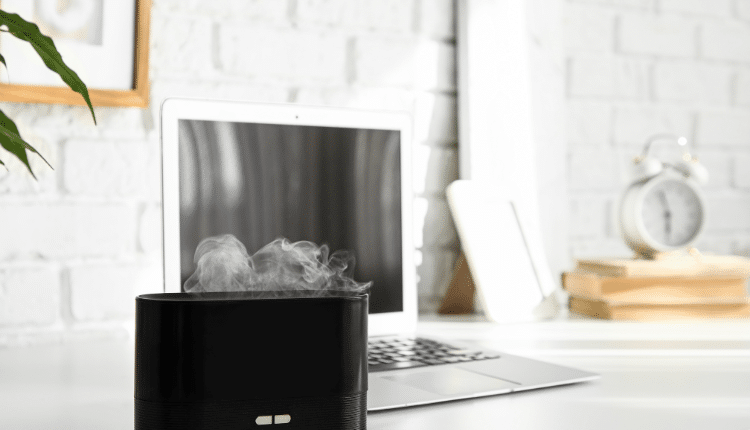
In today’s hyper-connected corporate landscape, the office desk has become the epicenter of relentless deadlines and mounting tension. Workplace stress and professional burnout don’t just dampen productivity; they compromise our long-term mental and physical well-being. But what if the secret to recalibrating your nervous system mid-day wasn’t another cup of coffee, but an ancient sensory practice backed by modern neuroscience?
Aromatherapy is no longer just a luxury found in high-end spas; it is a strategic tool for the modern professional. By leveraging the olfactory system, we can trigger immediate shifts in brain chemistry to foster focus, reduce anxiety, and reclaim a sense of serenity amidst the chaos.
What is Workplace Aromatherapy?
Aromatherapy is the therapeutic use of plant-derived essential oils to harmonize the health of the body and mind. Unlike synthetic fragrances, pure essential oils contain bioactive compounds that interact directly with the limbic system—the brain’s emotional command center.
When you inhale a calming scent, the molecules travel through the olfactory bulb, which has a direct “hotline” to the amygdala and hippocampus. This is why a specific scent can instantly lower a racing heart rate or dissolve a stress-induced headache faster than almost any other sensory input. For those seeking a deeper integration of these benefits, exploring professional Massage Services can provide the ultimate reset for a taxed nervous system.
The Strategic Power of Scent in the Office
Integrating aromatherapy into your professional environment doesn’t require a complete office overhaul. It is about creating a “sensory micro-break.” Whether you use a discreet desk diffuser or a simple pulse-point roll-on, the benefits are measurable:
-
Enhanced Cognitive Focus: Certain scents, such as lemon and peppermint, are “brain-boosters” that sharpen mental clarity.
-
Reduced Error Rates: A calm mind is a precise mind. Studies show that a relaxed state reduces the likelihood of fatigue-driven mistakes.
-
Emotional Regulation: Pleasant aromas naturally lower aggression and interpersonal tension, fostering a more collaborative atmosphere.
To understand how professional environments are designed to maximize this peace, you can read about the Architecture of Serenity and how space influences mental health.
Top 3 Essential Oils for the High-Pressure Professional
To effectively manage workplace anxiety, you need the “heavy hitters” of the botanical world. Here are three essential oils that belong in every desk drawer:
1. Lavender: The King of Calm
Lavender is the most researched oil for stress reduction. It significantly lowers cortisol levels (the stress hormone) and helps switch the body from the “fight or flight” mode into “rest and digest.”
2. Chamomile: The Nervous System Soother
Ideal for those who experience physical manifestations of stress, such as muscle twitches or tension headaches. Chamomile acts as a gentle sedative for the nervous system, making it perfect for winding down after a high-stakes meeting.
3. Bergamot: The Uplifting Relaxant
While most citrus oils are strictly energizing, Bergamot is unique. It provides a sophisticated balance—uplifting the mood while simultaneously soothing anxiety. It is the perfect scent for maintaining “calm confidence.”
Beyond the office, these oils are a core component of therapeutic Spa Treatments, where they are used to facilitate deep tissue healing and mental release.
The Science of Olfactory Anxiety Reduction
The mechanism behind “smelling your way to calm” is rooted in biology. The olfactory pathway is the shortest connection between our senses and the brain. Because the olfactory bulb is part of the brain’s functional network, essential oils can bypass the “logical” brain and go straight to the emotional core. This makes aromatherapy one of the fastest ways to interrupt a panic attack or a stress spiral.
For a comprehensive look at how different techniques impact your body, see our guide on Massage Types and Their Therapeutic Effects.
How to Build Your Workplace Aromatherapy Routine
You don’t need a spa setup to see results. Here are three ways to practice aromatherapy at your desk:
-
The Cotton Pad Method: Place two drops of lavender oil on a cotton pad and tuck it into a desk drawer or near your keyboard. The subtle scent will create a personal “calm zone.”
-
The Pulse-Point Reset: Dilute a drop of Bergamot with a carrier oil and apply it to your wrists or temples. Inhale deeply whenever you feel a surge of pressure.
-
The Ambient Mist: Keep a small spray bottle with distilled water and a few drops of peppermint or eucalyptus to refresh the air and your mind during the “afternoon slump.”
Conclusion: From Aroma to Absolute Serenity
Workplace stress may be an inevitable part of the modern career, but letting it lead to burnout is a choice. By integrating the science of aromatherapy into your daily routine, you reclaim control over your emotional state.
At Niloufar Abi, we specialize in bridging the gap between ancient botanical wisdom and modern wellness needs. Whether through our expert-led sessions or our commitment to the highest Standards of care, we are here to help you find your zen.
Are you ready to leave the office stress behind and experience a professional transformation? Book Now at one of our premier locations.