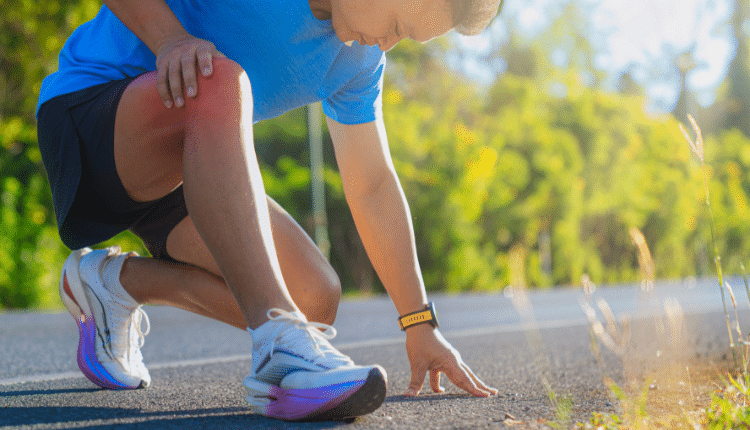
The journey to athletic excellence isn’t just paved with sweat and heavy lifting; it is defined by what happens in the hours between training sessions. In professional sports, the adage holds true: you don’t grow in the gym; you grow during your recovery. Muscle recovery after training is the vital bridge between a fatigued athlete and a champion ready for the next challenge. Without a structured restoration plan, the risk of overtraining, chronic inflammation, and injury becomes an inevitability rather than a possibility.
In this comprehensive guide, we explore the science of body restoration and how combining modern physiological techniques with ancient wellness traditions can accelerate your return to the field.
The Science of Muscle Recovery After Training
During high-intensity exercise, muscle fibers undergo microscopic tears. While this sounds alarming, it is actually the catalyst for growth. The body’s repair process—muscle protein synthesis—mends these tears, making the tissue stronger and more resilient than before.
However, this process requires more than just sitting still. It demands a proactive approach to flush out metabolic waste. Many athletes mistake persistent soreness for a “good workout,” but prolonged muscle stiffness is often a sign of inefficient recovery. Implementing professional body restoration methods ensures that these micro-tears heal optimally without developing restrictive scar tissue.
Lactic Acid Removal: The Key to Mobility
One of the primary hurdles following anaerobic exercise is the accumulation of lactic acid. This byproduct of energy metabolism is what causes that heavy, burning sensation in your limbs. To effectively manage lactic acid removal, the lymphatic and circulatory systems must operate at peak efficiency.
-
Smart Hydration: Water alone isn’t enough; electrolytes (sodium, potassium, magnesium) are essential to maintain cellular fluid balance.
-
Post-Workout Nutrition: Consuming fast-absorbing proteins and complex carbohydrates within the “anabolic window” fuels the repair process.
-
Manual Lymphatic Drainage: Specialized movements help the body’s waste-disposal system clear out toxins faster than rest alone.
To experience these benefits firsthand, exploring professional Massage Services can significantly decrease recovery time by stimulating deep-seated circulation.
Essential Body Restoration Methods
In the professional sphere, recovery is an active discipline. Here are the pillars of a world-class recovery program:
1. Deep Tissue and Sports Massage
Unlike standard relaxation techniques, Swedish Massage or targeted Deep Tissue work focuses on the sub-layer of musculature and fascia. These techniques break down “knots” (adhesions) that limit range of motion. By increasing blood flow to specific muscle groups, athletes can prevent the onset of Delayed Onset Muscle Soreness (DOMS).
2. The Power of Aromatherapy and Thermal Therapy
The use of essential oils like eucalyptus and peppermint in a spa setting does more than soothe the mind; it has a physiological cooling effect on inflamed tissues. When combined with heat—such as a sauna or a traditional Hammam—it promotes vasodilation, allowing oxygen-rich blood to saturate tired muscles.
3. Neurological Reset: Quality Sleep
No supplement can replace the regenerative power of 7–9 hours of deep sleep. This is when the human growth hormone (HGH) is naturally released. For athletes struggling with the “wired” feeling after late-night training, practicing Yoga Nidra can transition the nervous system from a “fight or flight” state to a “rest and digest” state.
Comparison of Recovery Modalities
Understanding when to use which method is crucial for maximizing your athletic longevity.
| Method |
Primary Benefit |
Recommended Timing |
| Static Stretching |
Improves flexibility and blood flow |
Immediately post-training |
| Sports Massage |
Lactic acid removal & knot release |
24–48 hours post-training |
| Cryotherapy/Ice Bath |
Reduces acute inflammation |
Immediately after competition |
| Sauna/Steam |
General circulation & detoxification |
On active rest days |
The Role of the Spa in Athletic Performance
Elite athletes view spa visits not as a luxury, but as a tactical component of their training regimen. A professional Spa Treatment helps lower cortisol levels. High cortisol (the stress hormone) is the enemy of muscle growth, as it promotes muscle breakdown. By entering a state of deep relaxation, the body can redirect all its energy toward cellular repair and immune function.
At-Home Maintenance Tips
Between your professional sessions at Niloufar Abi, maintain your physical integrity with these habits:
-
Foam Rolling: Use a foam roller to perform self-myofascial release on tight quads and lats.
-
Magnesium Supplementation: Magnesium aids in muscle relaxation and prevents nocturnal cramping.
-
Active Recovery: A low-intensity walk or light Hatha Yoga session keeps the blood moving without adding mechanical stress to the joints.
Conclusion: Train Hard, Recover Smarter
The path to victory is paved with disciplined recovery. By respecting your biological need for restoration and utilizing professional body restoration methods, you unlock your true physical potential. Whether you are clearing lactic acid or seeking a neurological reset, a holistic approach is your greatest competitive advantage.
At Niloufar Abi, our expert team is dedicated to transforming your post-training fatigue into the energy needed for your next win. Ready to elevate your performance? Book Now to schedule your professional recovery session.