Prenatal Yoga: The Ultimate Guide to Safe Poses, Benefits, and Inner Peace
Pregnancy is one of the most beautiful yet delicate phases in a woman’s life, filled with profound physical and hormonal transformations. Prenatal yoga is widely recognized as one of the safest and most effective fitness practices, helping expecting mothers reduce stress, build flexibility, and strengthen pelvic muscles to prepare both body and mind for an intuitive, peaceful delivery. Practicing safe, guided routines during this time not only improves sleep quality and relieves muscular discomfort but also fosters a deep, serene connection between mother and baby.
In this comprehensive guide, we will explore the core benefits, safety guidelines, and tailored techniques of prenatal yoga across each trimester.
The Importance and Benefits of Prenatal Yoga
Gentle movements and mindful breathing exercises have a transformative effect on a mother’s physical and mental well-being. As the body adapts to weight gain and a shifting center of gravity, the spine and joints shoulder significant stress. Regular yoga practice helps alleviate lower back pain, boosts blood circulation, and regulates blood pressure.
Furthermore, preparing the body for childbirth is a primary focus for many expectant mothers. Concentrating on the pelvic region and deep breathing techniques expands lung capacity and helps manage contraction discomfort. If you are looking to cultivate inner peace during these months and enjoy specialized wellness support, consider exploring our professional Massage Services, which beautifully complement yoga to restore complete harmony.
![Minimalist flat lay of a rolled yoga mat, soft folded towels, wooden massage blocks, and green leaves illuminated by warm golden hour zen lighting, interior spa environment, no humans]
Prenatal Yoga Poses for the First Trimester
The first trimester is the most delicate period because the embryo is newly implanted and severe hormonal shifts are taking place. Energy levels often dip, and fatigue or nausea are common. Consequently, the primary goal during the first three months is deep rest, relaxation, and gentle adaptation to your new condition.
In early pregnancy yoga, you must strictly avoid intense stretching, deep core twists, inversions, and any routines that significantly elevate body temperature. Instead, the focus should center on:
- Deep diaphragmatic breathing (gentle pranayama) to soothe early stress and anxiety.
- Light stretching to gently open the chest and shoulders.
- Seated and supported postures that relieve pressure from the lower back.
Always consult your OB-GYN before beginning any physical exercise regimen during this sensitive phase. To find specialized wellness programs and expert guidance, feel free to visit our main Yoga Classes page.
Preparing for Childbirth Through Targeted Postures
As you enter the middle and final months of pregnancy, your body naturally gains flexibility due to the hormone relaxin. At this stage, you can safely incorporate movements that directly target pelvic preparation and lower-body strength. Practicing proper prenatal yoga postures encourages optimal fetal positioning, opens the birth canal, and relieves chronic back strain.
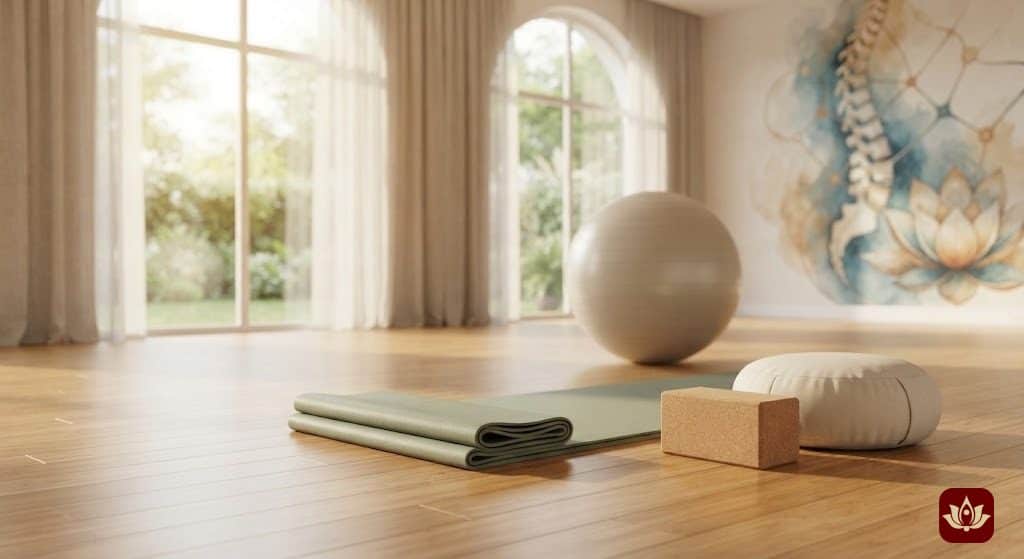
Helpful practices during this phase include the cat-cow stretch to release spinal tension, gentle butterfly stretches for hip mobility, and utilizing a birth ball for ergonomic seated postures. Balance is critical throughout all of these steps, so never hesitate to use a wall or a sturdy chair for support.
![Close-up of hands applying natural organic massage oil on smooth skin, warm zen lighting, relaxing spa aesthetic, professional photography, soft focus]
The Profound Impact of Yoga for Natural Delivery
One of the leading motivations for joining prenatal classes is streamlining the labor process. Regular practice has a documented impact on shortening labor duration and reducing the need for medical interventions. This is largely achieved through advanced breathing techniques—such as Ujjayi or calming breaths—which teach mothers how to release tension during contractions rather than instinctively tightening up.
Beyond physical preparation, mental conditioning through meditation elevates endorphin levels, the body’s natural painkillers. This minimizes fear and apprehension as delivery day approaches. To plan your schedule and review class options, look over our transparent Spa Treatments guide.
Essential Safety Guidelines for Prenatal Practice
Adhering to safety measures guarantees the health and wellness of both mother and baby. Keep these core principles in mind to avoid strain:
- Never hold your breath: Breathing should remain continuous, fluid, and deep at all times.
- Prevent overheating: Avoid practicing in hot, humid rooms or wearing overly thick clothing.
- Listen to your body: Stop immediately if you experience dizziness, shortness of breath, sharp pain, uterine contractions, or spotting.
- Utilize props: Blocks, bolsters, and chairs are your best friends during pregnancy to maintain stable balance.
Conclusion
Prenatal yoga transcends simple exercise—it serves as a safe sanctuary for building a profound bond between a mother and her growing child. By practicing mindfully, respecting trimester-specific precautions, and relying on experienced instructors, you can navigate pregnancy with grace, vitality, and physical readiness. When you are ready to experience a serene, professional environment dedicated to your wellness, find your nearest location and Book Now with Niloufar Abi.
Frequently Asked Questions
- Is yoga dangerous during the first trimester?
If your pregnancy is low-risk and cleared by your doctor, very gentle breathing, relaxation, and light stretching are completely safe. However, high-impact movements, deep abdominal twists, and inversions must be avoided.
- How do yoga poses alleviate muscle aches?
As the baby grows, your center of gravity shifts, placing stress on the spine and pelvis. Gentle stretching and core stabilization correct posture, ease muscle spasms, and distribute body weight evenly.
- Is yoga truly effective for natural childbirth?
Yes. By focusing on pelvic opening, muscle endurance, and breath control, yoga empowers mothers to manage labor intensity with confidence and reduced muscular tension.
- When is the best time to start prenatal yoga classes?
Typically, after concluding the first trimester and obtaining written approval from your healthcare provider, you can safely step into specialized prenatal classes.