The Ultimate Guide to Chakras in Yoga: Balancing Mind, Body, and Spirit
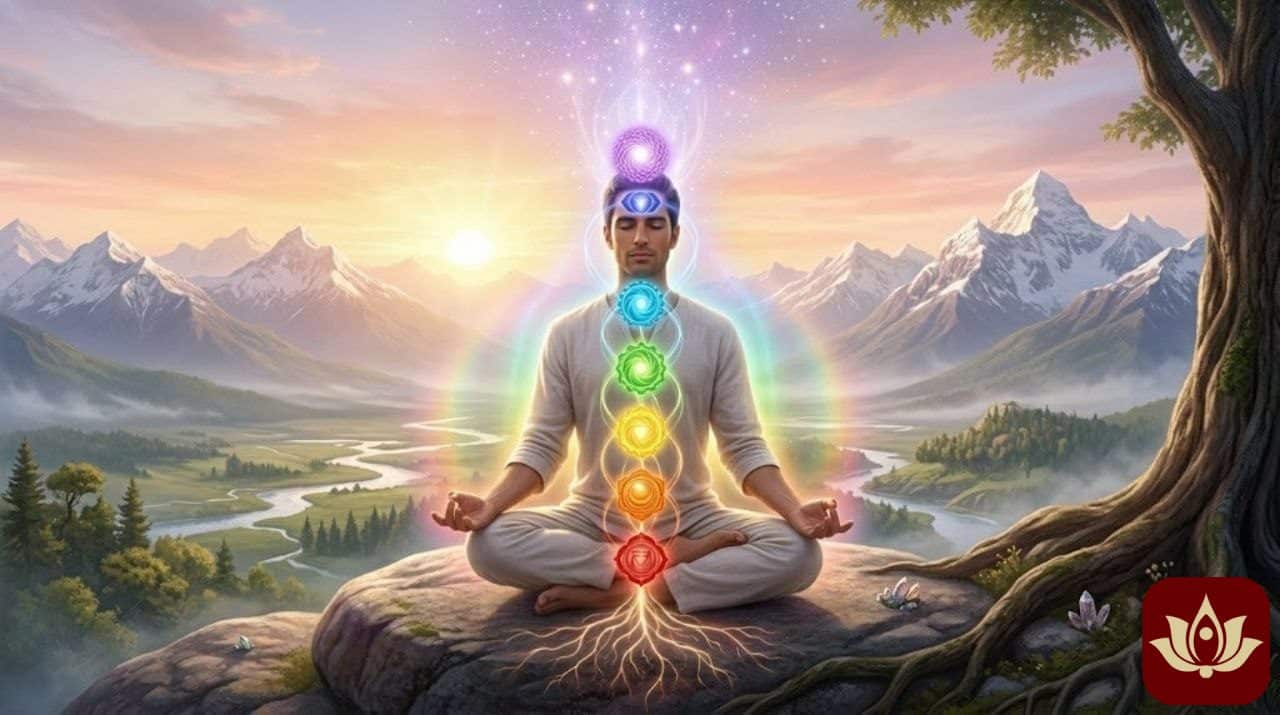
In today’s fast-paced, high-stress world, finding a sanctuary of inner peace has become one of modern humanity’s greatest pursuits. When chronic fatigue, restlessness, or unexplained physical aches creep into our daily lives, we often look outward for quick fixes, forgetting that the root of much of our disharmony lies deep within us. The energetic currents that flow through our physical and subtle bodies govern our overall well-being. Chakras in yoga are those vital centers of subtle energy; when balanced, they allow life force to course through us with vitality and awareness, and when blocked, they manifest as physical and emotional distress. At Niloufar Abi Spa, with our deep understanding of holistic wellness and mindful traditions, we are dedicated to helping you align your inner energy and restore true serenity.
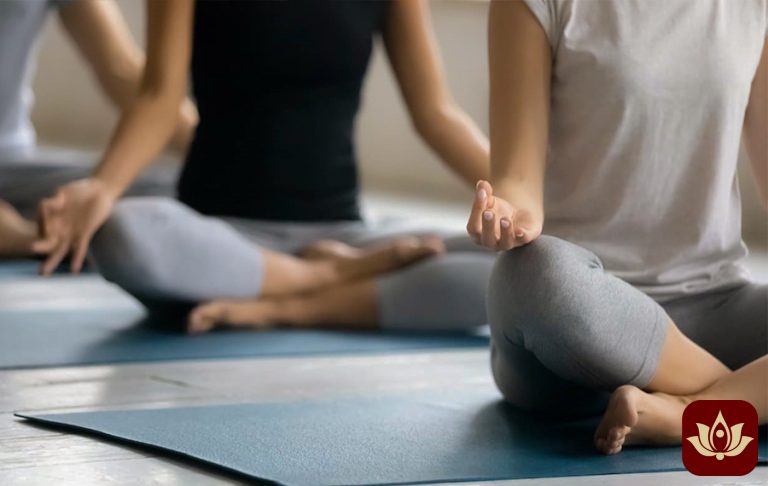
The ancient philosophy of yoga has long emphasized the profound bridge between the physical form and the energetic body. The relationship between yoga and the body’s chakras is a deeply healing and reciprocal one. Physical postures (asanas), breathwork techniques (pranayama), and meditation serve as powerful instruments to awaken and regulate these luminous spinning vortexes of energy. In this comprehensive guide, we will explore the precise nature of chakras, their integral role in holistic health, and effective, time-honored methods for chakra balancing and cleansing so you can invite lost harmony back into your daily existence.
What is a Chakra? Understanding the Body’s Vital Energy Centers
The word “chakra” originates from the ancient Sanskrit language, translating directly to “wheel” or “disk”. In ancient Indian texts and Eastern wisdom traditions, chakras are described as rotating centers of non-physical, subtle energy. The life force energy, known as “prana,” flows throughout the body via delicate energetic channels called “nadis,” and the chakras serve as the primary junction points where these channels intersect. Seven major chakras align along the spinal column, stretching from the base of the pelvis to the crown of the head, each vibrating at a unique frequency and governing specific psychological, emotional, and physiological attributes.
From a modern psychosomatic perspective, chakras can be closely correlated with major endocrine glands and nerve plexuses running along the spinal cord. When ancient traditions describe a blocked chakra, modern science recognizes a disruption in nervous system regulation, chronic muscular tension, or hormonal imbalance within that specific region of the body. For instance, psychological stress can trigger physical contraction in the abdomen or chest, directly impacting the solar plexus and heart chakras. To better understand how deep relaxation influences these neural pathways, you can explore What is Yoga Nidra? Discover the Deep Relaxation and Benefits of Yogic Sleep, an exceptional technique designed to dissolve deep-seated tension.
Understanding chakras within your yoga practice allows you to adopt a more intelligent, proactive approach to personal health. When we learn to address the energetic roots of discomfort rather than merely masking surface symptoms, true healing begins. Blockages within these energetic wheels typically stem from unhealthy lifestyle habits, unresolved emotional trauma, daily chronic stress, or poor nutritional choices. Restoring balance requires a multidimensional approach that weaves together physical movement, mental awareness, and soothing therapeutic treatments like professional Massage Services.
The Seven Major Chakras and Their Role in Body-Mind Health
To deeply comprehend the synergy between yoga and the chakra system, we must first examine each of the seven primary energy centers, their physical locations, and their primary domains. This evolutionary pathway begins at the root of the spine and ascends toward higher consciousness:
Root Chakra (Muladhara): Situated at the base of the spine (the perineum area) and associated with the color red, the root chakra governs our fundamental survival needs, physical safety, ground-level stability, and connection to the earth. When balanced, it fosters courage, strength, and inner stability. Chronic anxiety and groundless fears often indicate blockage here.
Sacral Chakra (Svadhisthana): Glowing with a warm orange hue just below the navel, this center is the wellspring of creativity, emotion, sensuality, and fluid adaptability. Balance here ensures healthy relationships and emotional flow, while blockage can lead to emotional suppression or guilt.
Solar Plexus Chakra (Manipura): Located in the upper abdomen and radiating a bright yellow light, this is the center of personal willpower, self-esteem, and inner fire. Those with a balanced Manipura possess the drive and confidence to manifest their goals.
Heart Chakra (Anahata): Resting in the center of the chest and glowing emerald green, Anahata is the great bridge linking the lower physical chakras to the upper spiritual ones. Unconditional love, compassion, forgiveness, and empathy reside here.
Throat Chakra (Vishuddha): Represented by a vibrant turquoise blue at the throat, this center governs authentic communication, truth-speaking, and self-expression. If you struggle to articulate your feelings or experience tension when speaking, this center requires cleansing.
Third Eye Chakra (Ajna): Located between the eyebrows and shining with indigo light, Ajna is the seat of intuition, inner vision, higher wisdom, and expanded awareness.
Crown Chakra (Sahasrara): Positioned at the very top of the head in brilliant violet or white light, Sahasrara connects us to universal consciousness, spiritual clarity, and divine wisdom.
Exploring diverse physical and mental disciplines—such as those detailed in our guide on What is Hatha Yoga? A Complete Guide to Yoga for Beginners – 5 Essential Poses—helps you select the ideal practices to awaken and balance each of these distinct energetic levels.
The Power of Yoga in Clearing and Balancing Chakras
Yoga is far more than a physical stretching routine; it is an exact science designed to direct the flow of prana throughout the physical vessel. Clearing and balancing chakras through yoga involves a harmonious blend of asanas (physical postures), pranayama (breath control), mantras (sacred sound vibrations), and mudras (hand gestures). Every yoga posture is uniquely engineered to stimulate, open, and encourage the free circulation of blood and energy in targeted areas of the body. For instance, heart-opening backbends—such as the Cobra or Camel poses—directly target the chest cavity, awakening the heart chakra and releasing trapped grief or emotional burdens.
Breathwork techniques, or pranayama, play an equally vital role in this transformative process. Deep abdominal breathing, alternate nostril breathing (Nadi Shodhana), and cleansing breaths help sweep clean the delicate nadis, clearing away energetic debris that obstructs the chakras. When conscious movement and intentional breath merge, the parasympathetic nervous system activates, shifting the body swiftly into its natural rest-and-digest healing phase. This is precisely when deep-seated energetic knots (Granthis) dissolve, leaving the practitioner feeling remarkably light, luminous, and deeply peaceful.
Beyond physical postures, incorporating meditative concentration on the specific colors, seed sounds (bija mantras), and visual symbols of each chakra accelerates the healing journey. Directing your inner focus toward a chakra’s physical seat while visualizing a spinning wheel of pure, vibrant light tunes that specific frequency. Maintaining these practices consistently elevates physical vitality and dramatically expands your emotional resilience, helping you navigate life’s inevitable challenges with grace and joy.
Massage and Spa Therapies: The Ultimate Catalyst for Chakra Realignment
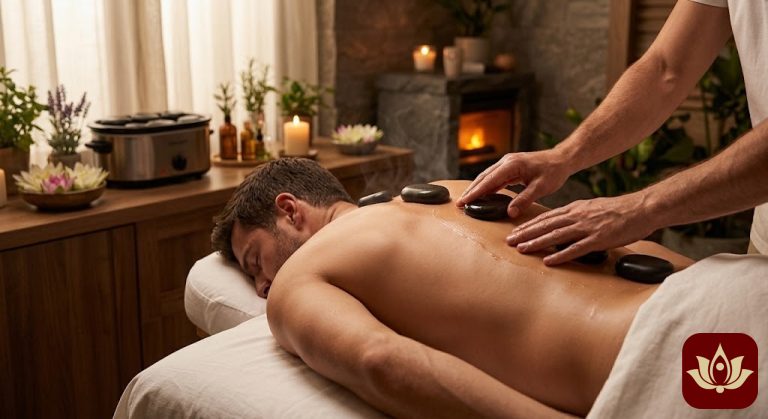
While regular yoga practice lays a powerful foundation for energetic health, combining it with therapeutic touch and bodywork creates an unbeatable synergy for releasing stubborn muscular knots and energetic blocks. Across many Eastern healing traditions, including Ayurveda, warm herbal oil massages are utilized to balance the doshas (constitutions) and clear pathways for the nadis and chakras. Ayurvedic massage stands out as a quintessential holistic approach that focuses heavily on marma points—vital energetic intersection points across the human anatomy—to facilitate the unobstructed flow of prana.
At Niloufar Abi Spa, we believe that conscious touch, a serene sensory environment, aromatherapy, and frequency-aligned music combine to deliver an exceptionally profound release. Integrating yoga practice with regular Spa Treatments melts away the stress sedimented deep within your bodily tissues. Our expert therapists, possessing a deep mastery of anatomy and tension release points, help you reclaim your lost equilibrium within an environment of uncompromised luxury and calm.
To embark on this healing journey and experience unmatched bodily balance, we invite you to explore our comprehensive menu via Massage Services. To plan your visit or inquire about our scheduling options, please feel free to visit our Book Now page.
Conclusion
Understanding and embracing the mechanics of chakras in yoga opens an inspiring new doorway toward profound self-awareness and holistic wellness. We come to realize that our physical body, mind, and spirit are not separate entities, but rather a magnificent symphony of energy that requires continuous tuning and harmonious care. By pairing mindful yoga sequences and breathwork with professional spa and massage therapies, you can keep your inner instrument finely tuned, stepping through life with vibrant health, centered focus, and lasting peace.
Frequently Asked Questions
1. How can we tell if one of our chakras is blocked?
Chakra blockages manifest as both physical discomfort and emotional imbalances. For example, chronic lower back pain combined with an ungrounded sense of insecurity or fear often points to a root chakra blockage. Similarly, persistent digestive issues paired with flagging self-confidence directly indicate imbalance in the solar plexus (Manipura) chakra. By tuning in closely to your body’s subtle signals and emotional fluctuations, you can easily identify where energy may be stagnating.
2. Can yoga alone completely clear and balance chakras?
Yoga is one of the most potent tools available for regulating vital energy flow, but deep, lasting cleansing thrives on a holistic lifestyle approach. True chakra balancing involves mindful nutrition, healthy stress management, lifestyle alignment, and processing past emotional trauma. Pairing your yoga practice with therapeutic massage treatments in a secure, nurturing spa environment dramatically accelerates the release of chronic physical tension and clears the pathways of prana.
3. What is the best time and environment for chakra-balancing practices?
The ideal time to practice is when your mind experiences minimal daily distraction—such as early in the morning right after waking or during the quiet twilight hours. Your practice space should be tranquil, well-ventilated, and ideally bathed in natural or soft ambient lighting. Incorporating aromatherapy, candlelight, and sound frequencies (such as Solfeggio healing tones) during your yoga or meditation session deepens your connection to your body’s inner energy centers.